
Boat
Play Boat
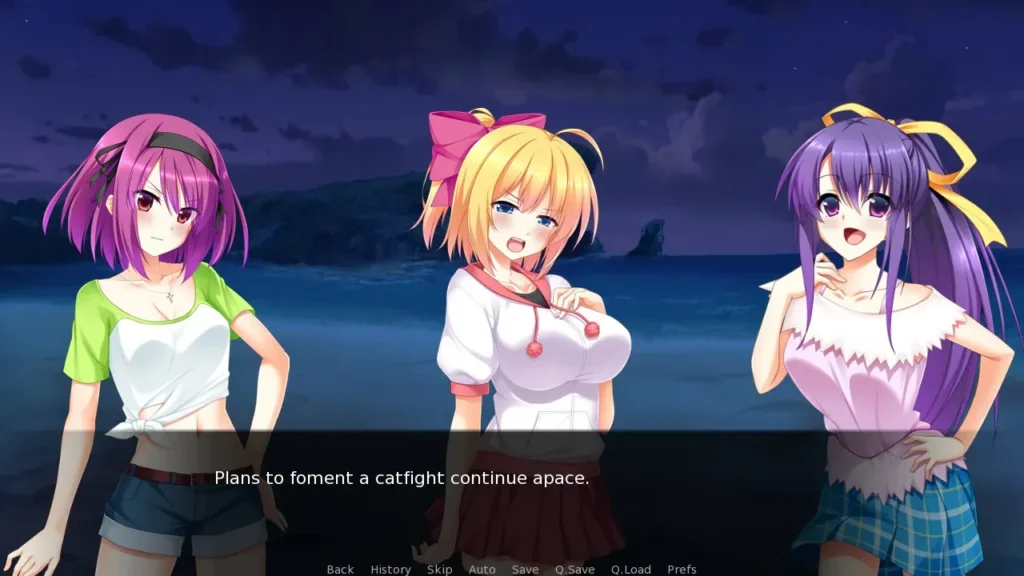
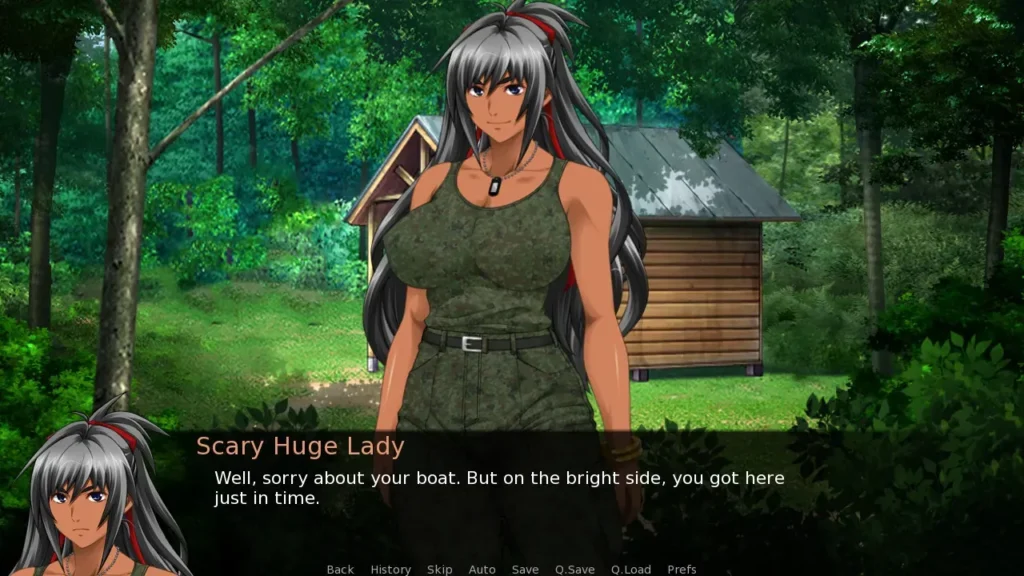
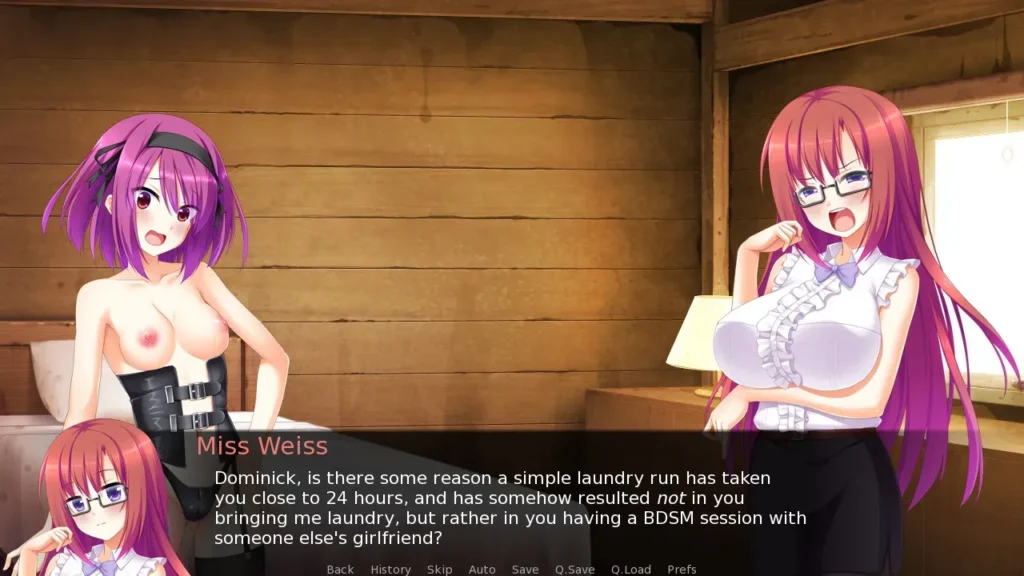
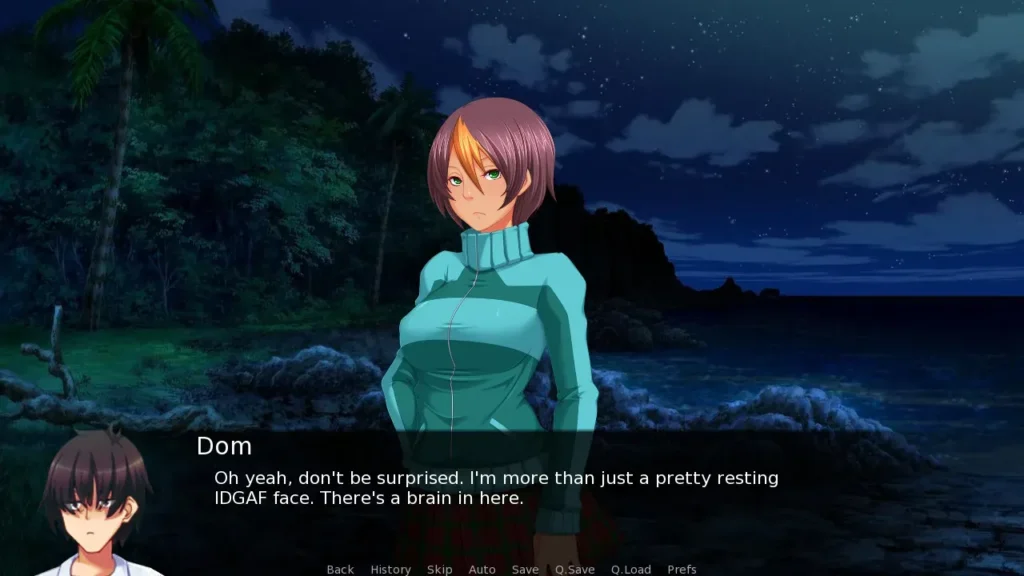
Boat Screenshots





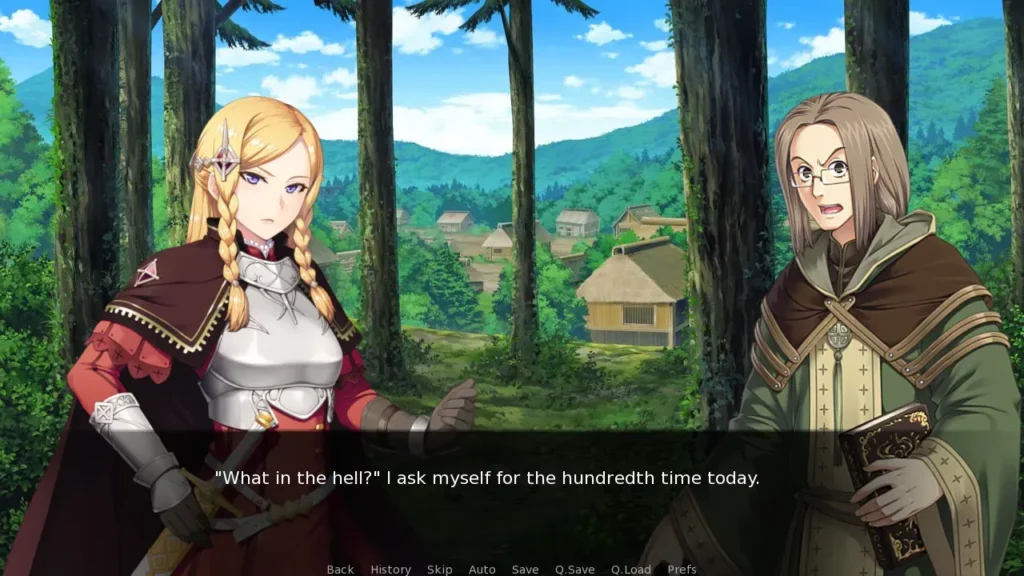


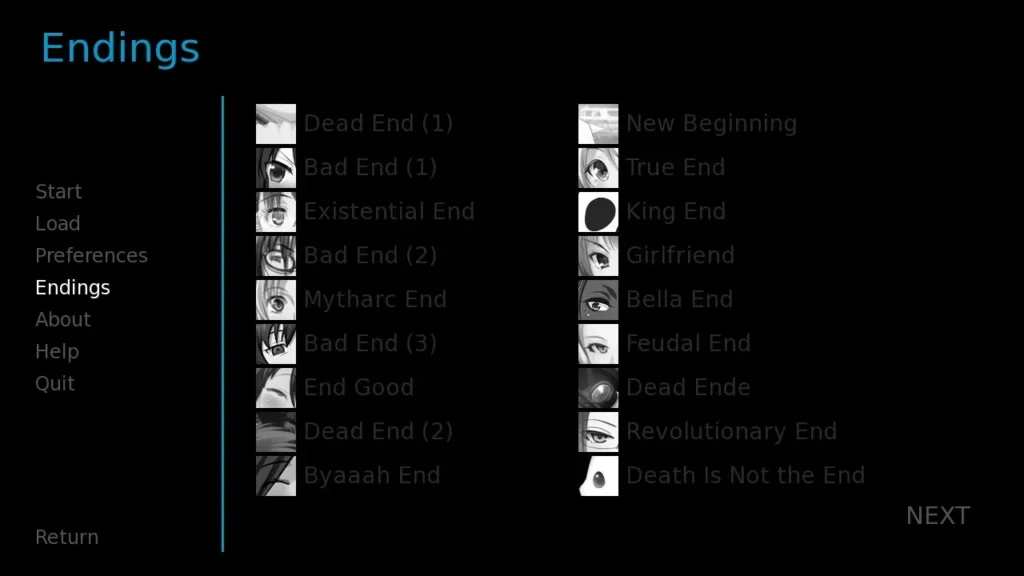
Boat review
A player-focused look at Boat, its routes, scenes, and best choices
Boat is a narrative-driven game that blends character relationships, branching choices, and a moody atmosphere into a surprisingly immersive experience. When I first installed Boat, I expected a short distraction and ended up replaying it three times just to see how different decisions could twist the story. In this guide, I’ll walk you through what Boat is about, how its core mechanics and routes work, and how to make the most of your time with it. Whether you are curious before downloading or want help navigating the different paths, this article is designed to be your practical, spoiler-aware companion.
What Is Boat and Why Has It Become So Talked About?
Let’s be honest, your first thought when you hear about a Boat game might not be “deep narrative masterpiece.” 😅 Maybe you’re picturing something simpler, or perhaps you’re wary of adult-focused titles that prioritize one thing over everything else. I was right there with you. But after diving in, I can tell you that what the Boat game is about is something far more compelling: it’s a gripping, character-driven experience where every whispered conversation on a creaking deck matters more than any epic battle.
This Boat game overview isn’t about high-seas adventure in the traditional sense. Instead, imagine a confined, almost haunting setting—a boat, often isolated on endless water. The real journey isn’t across the ocean, but through the tangled web of relationships between the characters trapped together in this floating microcosm. The core of the Boat gameplay is the tension, intimacy, and secrets that unfold when people have nowhere to run.
So, why is everyone talking about it? 🚤 Because it commits fully to its vision. It’s a Boat game review in a nutshell: a title that proves slowing down and focusing on dialogue, choice, and atmosphere can be more thrilling than any quick-time event.
How does Boat play and what is the core premise?
At its heart, the Boat gameplay loop is elegantly simple and deeply engaging. You won’t be managing complex combat rotations or solving intricate puzzles. Instead, you live the life of the protagonist, navigating social currents that are far more unpredictable than any storm.
The Boat story and characters are the entire engine. You’ll spend your time:
* Reading dialogue and making choices: This is your primary tool. Your responses—from a gentle reassurance to a sharp retort—directly shape how characters perceive you and open or close potential paths.
* Exploring limited hubs: The boat (and its immediate surroundings, like a dock or a secluded cove) is your world. You click to move between key areas—the sun-bleached deck, the dimly lit galley, a private cabin—to find characters and trigger scenes.
* Managing simple, narrative resources: Sometimes, it’s about choosing who to spend your evening with, as you can’t be in two places at once. Other times, you might need to have discovered a specific piece of dialogue or object earlier to unlock a new option later. It’s less about inventory management and more about attention management.
The core premise of what the Boat game is about is this atmospheric pressure cooker. You’re not just choosing romantic partners; you’re navigating alliances, uncovering hidden pasts, and deciding who to trust when the walls (or bulkheads) feel like they’re closing in. The isolation amplifies every glance and every unspoken word.
Tip from my playthrough: Don’t try to “win” on your first go. Play intuitively. Pick the choices that you are curious about, not the ones you think will score points. The game rewards genuine curiosity over min-maxing.
Let me give you that concrete example from my first blind run. Early on, I encountered another character on the foredeck at night. They made a cynical, world-weary comment about our situation. I had two main choices: match their cynicism with a sardonic reply, or offer a more hopeful, optimistic perspective. Feeling like we needed some positivity, I chose hope. It seemed like a small moment.
Fast forward several in-game days. That same character was opening up to me during a tense moment. The dialogue took a turn I didn’t expect. They referenced that night on the deck, mentioning that my “stubborn hope” had stuck with them and made them question their own outlook. A later scene, which could have been purely confrontational, had a layer of reluctant respect because of that one tiny, early choice. It wasn’t about unlocking a scene; it was about fundamentally changing the texture of a relationship. I was so stunned by the cause-and-effect that I immediately replayed the last few days just to see how the cynical reply would have painted our interactions. The difference was profound. 🔄
What makes Boat feel different from other adult-focused games?
This is the million-dollar question. The adult gaming space is vast, but Boat carves out its own distinct niche. Many titles use a narrative as a basic framework to connect scenes. Boat flips the script: the scenes are a reward for, and a result of, a deeply invested narrative.
Here’s what sets it apart:
* Pacing is a Feature, Not a Flaw: The game isn’t afraid of quiet moments. It lets conversations breathe, allowing you to sit with a character’s silence or the sound of lapping water against the hull. This slower pace builds genuine familiarity, making the impactful moments hit much harder.
* Meaningful Scenes Over Filler: The focus is on quality and narrative integration. Each significant scene feels earned and relevant to the character arcs you’ve been cultivating. There’s no grind or repetitive content to “unlock” the next beat; the story itself is the progression.
* Distinct Routes, Not Reskins: When you pursue different character paths, it doesn’t feel like you’re watching the same movie with a different lead. The story beats, tensions, and even the central mysteries of the Boat story and characters can shift dramatically based on who you align with, offering true narrative replay value.
* Atmosphere as a Character: The art and sound design are crucial. The visual detail—peeling paint on the railings, the way light filters through a porthole—creates a tangible sense of place. The soundtrack is often minimal: the creak of wood, the cry of gulls, a melancholic piano note. This immersion makes the world feel real before a single word of dialogue is spoken.
To help visualize how Boat stands out, let’s break it down compared to a more typical narrative adult title:
| Aspect | Typical Narrative Adult Game | Boat |
|---|---|---|
| Pacing | Often faster, focused on reaching the next “reward” scene quickly. | Deliberately slower, building atmosphere and character depth as the main reward. |
| Story Depth | Plot can sometimes feel like a scaffold to connect scenes. | Plot and character psychology are the core drivers; scenes are narrative conclusions. |
| Replay Value | Often comes from collecting all scenes or outcomes from a checklist. | Comes from experiencing fundamentally different story perspectives and outcomes. |
| Difficulty & Engagement | Engagement may rely on management sim elements or clear “affection point” systems. | Engagement comes from parsing dialogue subtext and managing narrative tension without a visible meter. |
Is Boat worth your time if you prefer story over grinding?
Absolutely, 100%. If you’re the kind of player who gets invested in lore, remembers character backstories, and loves seeing how a small choice butterflies into a major consequence, then this Boat game was built for you. ✨
The question of is Boat worth playing finds its clearest “yes” with story-focused players. There is no grinding here. Your progression is measured in understanding and influence, not in experience points. The “gameplay” is the act of reading, thinking, and choosing. Your reward is a richer, more nuanced narrative.
To close this Boat game overview, let’s talk about who this is for. This game is a perfect match if you:
* Love narrative-heavy experiences with multiple endings and branching dialogues.
* Appreciate a mix of tension and intimacy, where a charged conversation can be as compelling as any action sequence.
* Prefer to invest in characters and see their arcs through, rather than clicking through repetitive tasks.
* Enjoy experimenting with saves to see how different choices warp the story’s fabric.
My personal insight? The replay value is exceptional precisely because the Boat gameplay is so focused on choice. Your first playthrough will feel personal and unique, likely taking you a satisfying number of evenings to complete (avoiding strict hour counts, it’s a substantial narrative). But you’ll almost certainly see a glimpse of a path not taken and feel the pull to dive back in. The boat might be a confined space, but the stories it contains feel wonderfully, endlessly expansive. 🌊
So, if you’ve been asking “what is the Boat game about?” hoping for a sign to try it, consider this your invitation. Set sail with an open mind, talk to everyone, and see where the current takes you. You might be surprised by the depth you find in the deep water.
Boat turned out to be one of those games that quietly sticks with you long after the credits roll. Its tight focus on story, confined setting, and evolving relationships makes every playthrough feel a little different, especially once you start experimenting with bolder choices. If you’re looking for a character-driven experience where your decisions actually shape the tone and direction of the narrative, Boat is well worth trying. Give yourself time to explore different routes, pay attention to how characters react, and don’t be afraid to replay key sections to uncover scenes you missed the first time around.