
Depravity
Play Depravity
Depravity Screenshots












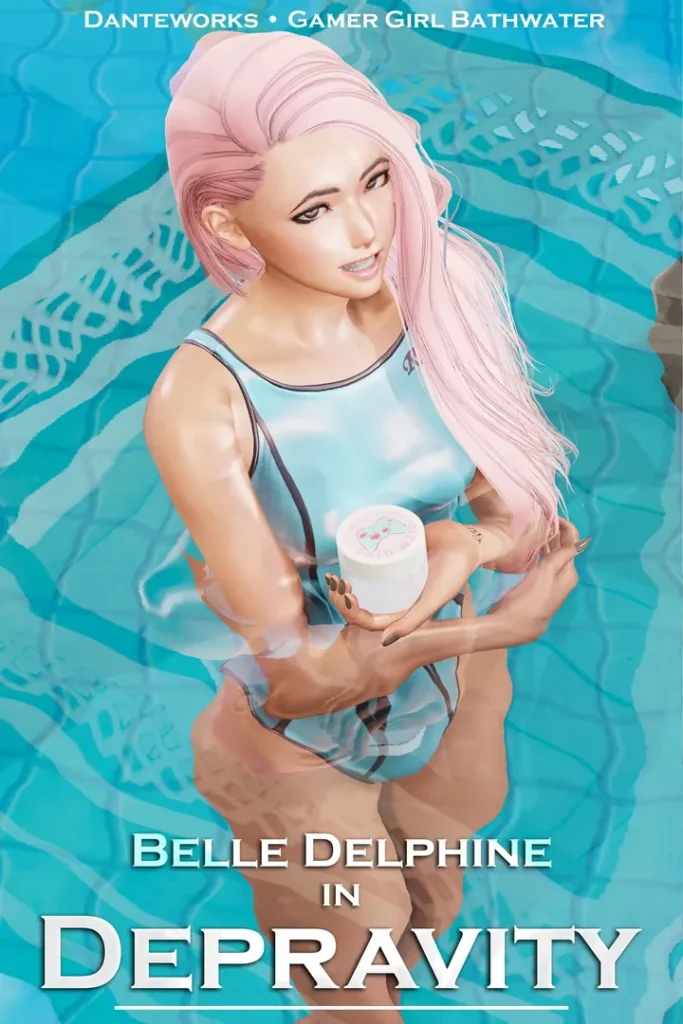















Depravity review
Explore gameplay mechanics, features, and player experiences in this indie title
Depravity has emerged as a notable indie game title that captures player attention through its unique approach to interactive storytelling and gameplay mechanics. Whether you’re a seasoned gamer exploring new titles or someone curious about what makes this game stand out, understanding its core features and player reception is essential. This guide provides an in-depth look at Depravity’s gameplay systems, narrative elements, and what players can expect when diving into this experience. We’ll explore the mechanics that define the game, examine player feedback, and help you determine if it’s the right fit for your gaming preferences.
Understanding Depravity: Gameplay Mechanics and Core Features
So, you’ve heard the whispers about Depravity and you’re curious. Maybe a friend described a moment that left them stunned, or you saw a screenshot with an atmosphere so thick you could taste it. You’re wondering what it’s really like to play. Is it just another indie horror walking sim, or is there something more beneath the surface? 🕵️
Let me tell you, from the moment I booted it up, I knew this was different. This isn’t a game that holds your hand; it throws you into its decaying world and dares you to find your own path through the darkness. The genius of Depravity game mechanics lies not in complex control schemes, but in how every simple action feeds into a profound sense of agency and consequence. It’s a masterclass in indie game gameplay systems that prove you don’t need a AAA budget to create a truly immersive experience.
In this guide, we’re going to peel back the layers of this fascinating title. We’ll explore the core systems that make it tick, understand how its story bends to your will, and see why its approach to interactive storytelling games has earned it such a dedicated following. Buckle up.
What Makes Depravity’s Gameplay Unique?
At first glance, Depravity might fit into a familiar genre box. But within minutes, it becomes clear that its developers had a very specific, player-centric philosophy. It forgoes flashy tutorials and objective markers in favor of pure environmental and systemic storytelling. The uniqueness of its narrative-driven gameplay stems from one core principle: your curiosity is the primary gameplay mechanic.
You aren’t told to investigate; you choose to. The game doesn’t highlight important items in glowing yellow—it trusts you to observe your surroundings, to read the notes left behind, to listen to the subtle audio cues in the soundtrack. This creates an unparalleled sense of discovery. I remember one evening, stuck in a seemingly empty library. Frustrated, I almost looked up a guide. Instead, I spent ten minutes just… examining bookshelves. One book was slightly out of place. Pulling it triggered a hidden latch. That moment of personal revelation, of my patience paying off, was more rewarding than any scripted cutscene could have been.
This design ethos extends to its player choice mechanics. Choices are rarely presented as big, branching dialogue trees with obvious “Good/Evil” labels. Instead, they are woven into the fabric of interaction. Do you take the scarce medicine for yourself, or leave it for a character you just met? Do you quietly observe a troubling scene, or intervene and potentially alter the course of events? The game often doesn’t immediately confirm the consequences, making your decisions feel weighty and real.
Here’s a quick breakdown of the key Depravity game features that set it apart:
- The “Ambient Puzzle” System: Puzzles are integrated into the environment. Understanding the history of a location or the psychology of a character is often the key to progression, not just finding a keycard.
- A Reactive Soundscape: The audio design isn’t just for atmosphere. Changes in music, whispers, and distant sounds are crucial guides and warnings, making headphones essential.
- Non-Verbal Storytelling: A massive portion of the narrative is delivered through set dressing, item placement, and visual clues. You piece together the story like an archaeologist.
- Psychological State Management: Your character’s stress or clarity isn’t just a narrative concept; it can subtly affect what you perceive, from visual filters to the reliability of audio cues.
- The “Consequence Clock”: Many decisions don’t have immediate effects. The game remembers, and outcomes can surface hours later, making each playthrough uniquely personal.
Core Mechanics and Player Interaction Systems
Let’s dig into the nuts and bolts. The Depravity game mechanics are deceptively simple on the surface: you walk, examine, pick up, and use items. The magic is in how these basic actions are contextualized and given profound meaning.
The primary loop is one of investigation and interpretation. Your inventory is limited, emphasizing that every item you carry is a conscious choice. A photograph isn’t just lore; it might be the only reference for solving a spatial puzzle later. A child’s drawing might contain a code hidden in its symbolism. This turns every object into a potential key, making exploration tense and purposeful.
The player choice mechanics are the true heart of the system. I want to share a specific scenario from my playthrough that forever changed how I viewed the game.
Example: The Lantern in the Wellhouse
Mid-game, I found a secluded wellhouse. Inside, a fragile-looking lantern sat on a rickety table, the only light source. A note nearby, scrawled in desperation, begged for light to be kept burning “for her.” As I approached, my own flashlight began to flicker. The game presented me with a silent choice: take the lantern to light my path forward, or leave it be, respecting the plea.
I took it. The immediate benefit was clear: a bright, reliable light. But later, in a completely different area—a flooded basement—I encountered a new, aggressive entity that hadn’t appeared in other players’ accounts. It seemed… anguished. Only upon reflection did I connect it to the wellhouse. My practical decision had a narrative and gameplay ripple effect, closing off a potential peaceful resolution and opening a more dangerous path. This is interactive storytelling games at their finest: a system where a simple gameplay decision (taking an item) is also a deep narrative and moral one.
This is supported by subtle but effective game progression systems. You don’t gain “skills” in a traditional sense. Instead, progression is gated by knowledge and items. Finding a specific journal might allow you to decipher symbols elsewhere. Acquiring a tool breaks a literal and metaphorical barrier. The game masterfully balances this, ensuring that solutions feel earned without becoming obtuse. For less experienced players, the environmental clues are more abundant; for veterans, the game expects you to connect deeper dots.
| Core Interaction | Gameplay Effect | Narrative Impact |
|---|---|---|
| Examining Objects | Reveals clues, codes, or hidden functions. | Piecing together backstory and character motives. |
| Choosing Dialogues (Limited) | Can open up new areas or information paths. | Defines your character’s relationship with others and the world. |
| Resource Management (e.g., Light, Medicine) | Directly affects survival and exploration capability. | Forces moral calculations that define your “alignment.” |
| Environmental Manipulation | Solves puzzles and unlocks new zones. | Physically alters the world, leaving your mark on it. |
Narrative Structure and Story Progression
If the mechanics are the skeleton, the narrative is the soul—and in Depravity, they are inextricably linked. This isn’t a story you watch; it’s a story you uncover and, crucially, co-author. The narrative-driven gameplay loop is a constant dance between discovery and decision.
The story is fractured, presented in a non-linear fashion through the items you find, the echoes you witness, and the environments you navigate. You might experience the end of a character’s arc before you understand their beginning. This mimics the process of remembering trauma or solving a mystery, putting you in the same confused, seeking headspace as the protagonist. It’s a demanding but incredibly rewarding structure that makes you an active participant in the storytelling.
The game progression systems are directly tied to this narrative excavation. Beating the game isn’t about reaching a credits screen—it’s about reaching understanding. There are multiple endings, but they aren’t simply chosen at a finale. They are the cumulative result of dozens of micro-decisions you’ve made throughout the journey. Did your actions trend toward empathy and preservation, or towards ruthless pragmatism and exploitation? The game tracks this silently, shaping the world and its inhabitants’ reactions to you.
Your player choice mechanics manifest in how the story characters relate to you. An NPC might share a vital secret if you previously helped them, or they might withhold information and even become hostile if you displayed untrustworthy behavior. This creates a living, reactive world. I was genuinely shocked on my second playthrough when a character I considered a minor ally greeted me as an old friend and gave me a unique item, simply because I’d made different choices in our first encounter.
This approach makes Depravity a standout title in the realm of interactive storytelling games. It moves beyond the illusion of choice and builds a framework where choices have tangible, systemic consequences. The Depravity game features that facilitate this—the subtle alignment system, the persistent world state, the conditional dialogue and events—are what transform a good story into a personal one.
| Your Action (Choice) | Short-Term Narrative Effect | Long-Term Progression Effect |
|---|---|---|
| Spare a hostile entity | Immediate relief, minor lore hint. | It may later appear to divert danger or provide a cryptic clue, unlocking a “peaceful” branch. |
| Destroy a sentimental object for a resource | You get a needed tool or health. | Areas connected to that object may become more corrupted or inaccessible, altering the story path. |
| Exhaust all dialogue with a character | You gain their full trust and backstory. | They may become a permanent “anchor,” reducing the psychological strain in certain areas (a gameplay buff). |
| Rush through areas without examining | Faster progression, less confusion. | You will lack vital context for later puzzles and narrative payoffs, potentially locking you into a more negative, ambiguous ending. |
Ultimately, the Depravity game mechanics and its indie game gameplay systems work in perfect harmony to create something truly special. It respects your intelligence, values your curiosity, and remembers your decisions. It proves that the most powerful tool in a game developer’s arsenal isn’t graphical fidelity, but a well-designed system that makes the player feel responsible for the world they inhabit. Whether you’re a veteran of interactive storytelling games or someone looking for a deep, thoughtful experience, Depravity offers a journey that is as mechanically engaging as it is emotionally and intellectually resonant. Your story is waiting to be written—and stained—by your choices. ✍️🔦
Depravity stands out as a compelling indie title that merits attention from players seeking engaging gameplay and meaningful narrative experiences. The game’s unique approach to mechanics, combined with its distinctive storytelling approach, creates an experience that resonates with its audience. Whether you’re drawn to innovative gameplay systems, immersive narratives, or the indie gaming scene in general, understanding what Depravity offers helps you make an informed decision about whether it aligns with your gaming interests. As the gaming landscape continues to evolve, titles like Depravity demonstrate the creative potential of independent developers. If you’re intrigued by what you’ve learned, consider exploring the game yourself to form your own impressions and discover why it has captured the attention of the gaming community.