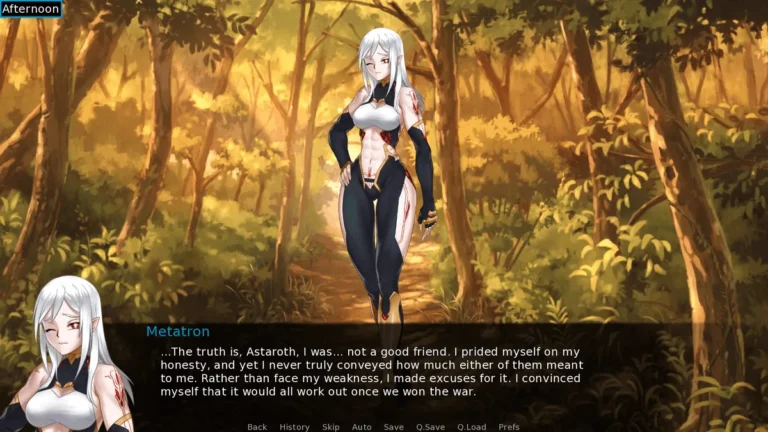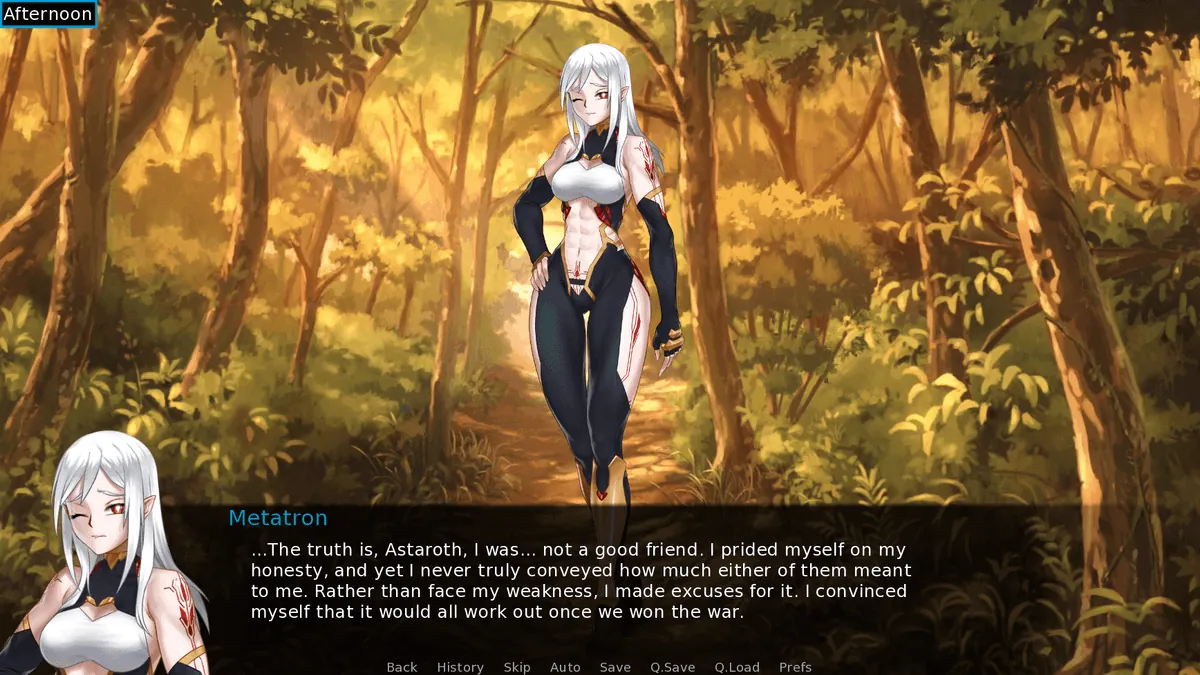
Divine Dawn
Play Divine Dawn
Divine Dawn Screenshots
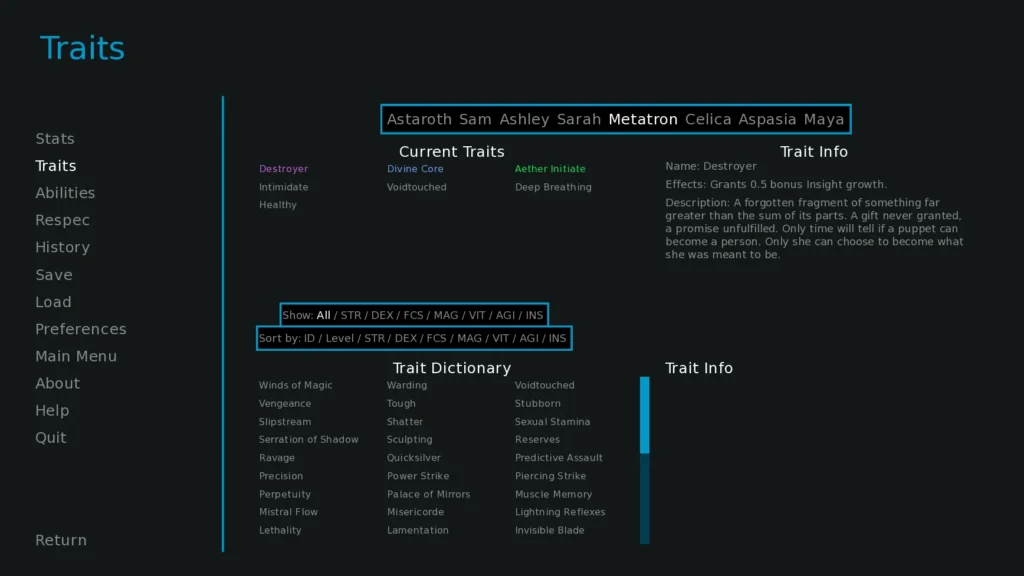



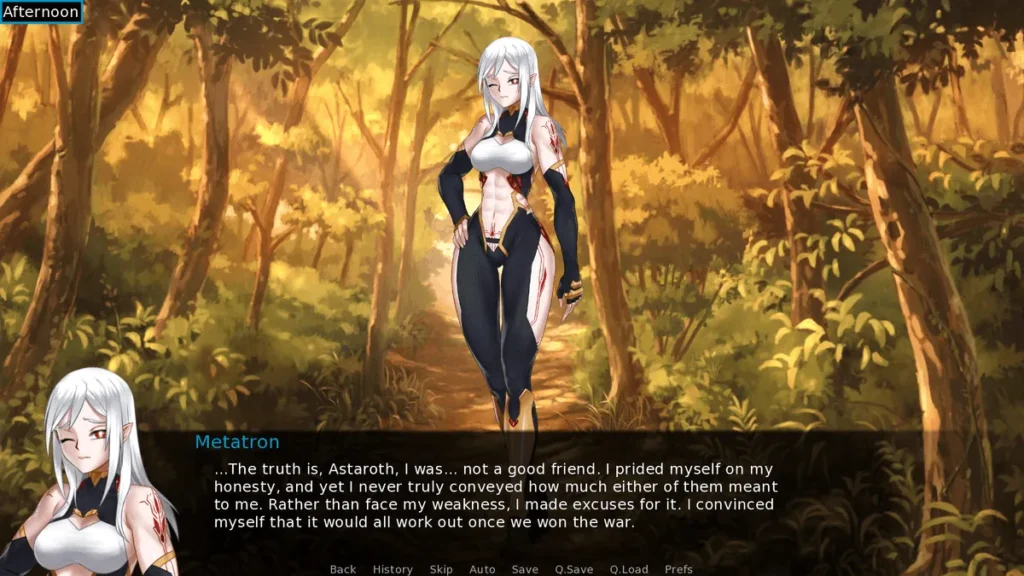

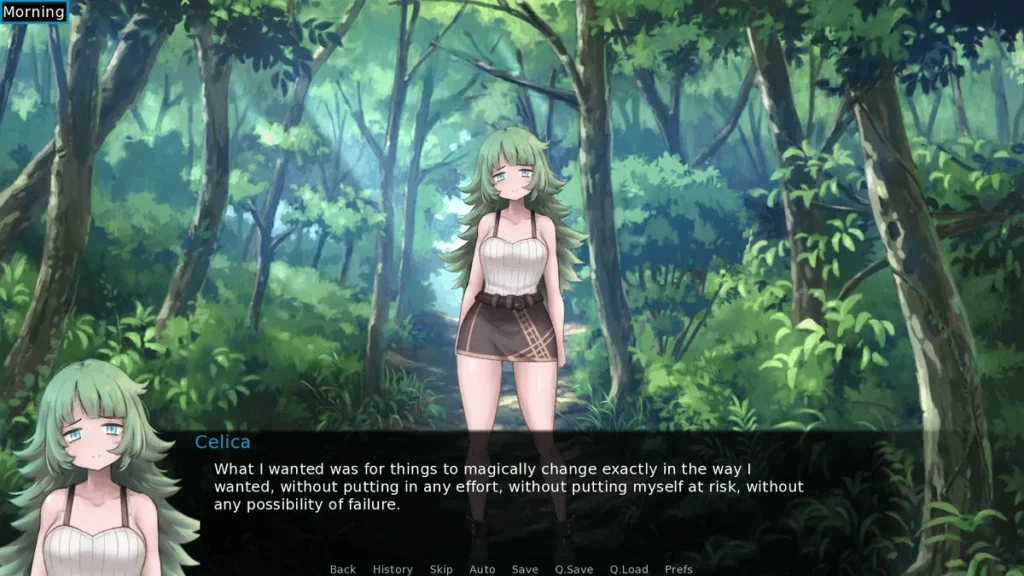
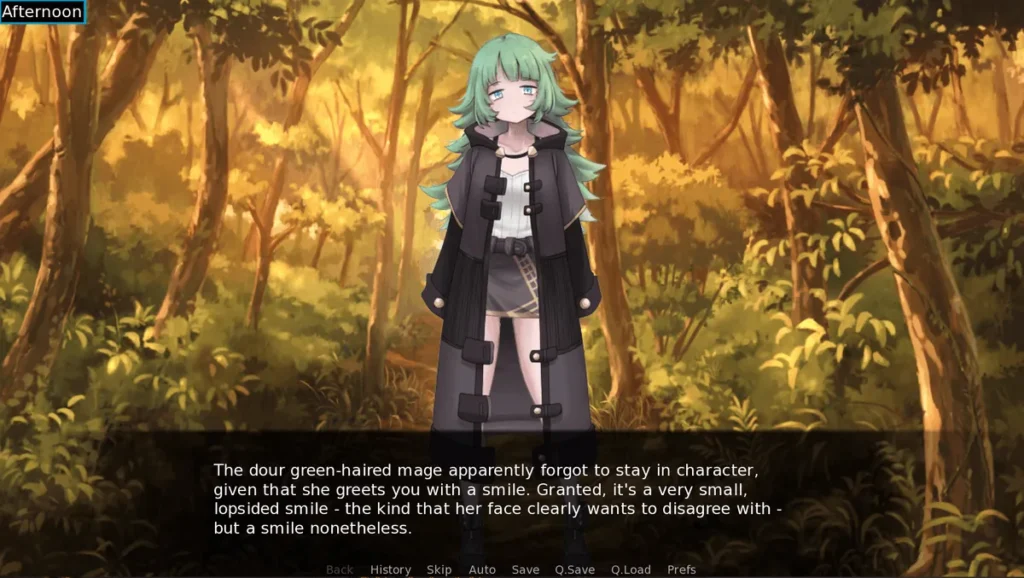
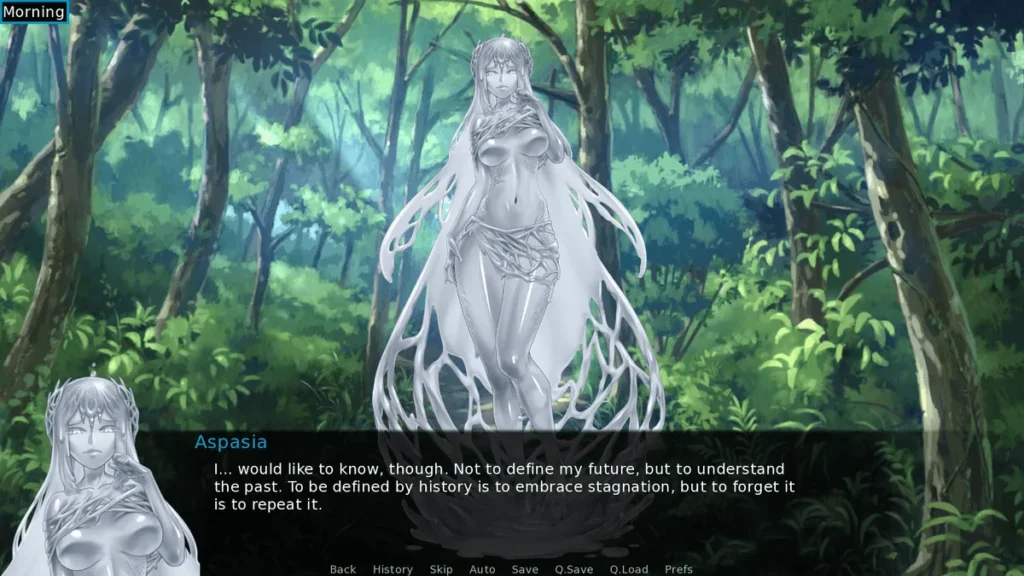
Divine Dawn review
Explore the immersive world of Divine Dawn, where narrative depth meets engaging mechanics
Divine Dawn stands out as a role-playing experience that prioritizes storytelling alongside interactive gameplay. This ambitious title balances narrative depth with character-driven interactions, offering players meaningful choices that shape their journey. Whether you’re drawn to the rich character development, the strategic combat system, or the branching storylines, Divine Dawn delivers a comprehensive RPG experience. The game has garnered attention for its quality writing, distinct character personalities, and substantial content volume that rewards exploration and engagement.
Understanding Divine Dawn’s Core Gameplay Experience
You know that feeling when you start a new role-playing game, full of hope, only to realize the world feels paper-thin and your choices don’t really matter? 😒 I’ve been there more times than I can count. It’s why I approached Divine Dawn with a healthy dose of skepticism. But let me tell you, within the first few hours, that skepticism melted away into pure, engrossed wonder. This isn’t just another RPG; it’s a masterclass in weaving player choice and agency into every fiber of its being, from its soul-stirring story to its tense tactical fights.
Divine Dawn understands a fundamental truth: a great narrative-driven RPG experience isn’t just about telling you a story. It’s about making you the author of your own chapter within it. Every mechanic, every conversation, every battle feels purpose-built to serve that vision. If you’re hungry for a world that reacts to you, with characters who remember your deeds (and misdeeds), and a combat system that rewards clever thinking, you’ve found your next obsession. Let’s break down exactly what makes this experience so special.
What Makes Divine Dawn’s Narrative Stand Out
Forget about chosen one tropes where you’re funneled down a single, gleaming path. The Divine Dawn story depth comes from its glorious, sometimes terrifying, ambiguity. You awaken in a world fractured by a celestial schism, where the lines between divine grace and monstrous aberration are hopelessly blurred. Are you a beacon of hope, a cunning opportunist, or something else entirely? The game doesn’t decide for you.
The quality of writing here is the secret weapon. It’s not just about lengthy lore entries (though those exist for the enthusiasts). It’s in the lived-in details: the weary guard complaining about his boots, the subtle shift in a companion’s tone after a difficult decision, the layered histories you uncover not through exposition, but through environmental storytelling and optional dialogues. This creates an immersive world that feels authentically old and complex, rather than a theme park built for your convenience.
What truly elevates the Divine Dawn gameplay mechanics is how the narrative is interactive by design. Early on, I stumbled upon a village plagued by a mysterious illness. The local priest blamed a group of peaceful, non-human settlers on the outskirts. I could:
* Accept the priest’s word and drive the settlers out.
* Investigate the settlers’ camp myself and hear their side.
* Ignore both and search the village for clues about a possible tainted water source.
Each path led to a completely different series of events, unique rewards, and permanently altered how both factions viewed me. This is the heartbeat of Divine Dawn: your curiosity and moral compass directly shape the tale. The game respects your intelligence, presenting problems with multiple solutions that all feel logically consistent within the world.
To show you how Divine Dawn stacks up against other titles in the genre, let’s look at what it emphasizes:
| Feature | Common RPG Pitfalls | Divine Dawn’s Approach |
|---|---|---|
| Writing & Narrative | Exposition-heavy lore dumps; predictable “save the world” plots. | Character-driven stories with moral ambiguity; lore integrated into dialogue and world details. |
| Content Volume & Pacing | Front-loaded content with sparse end-game; repetitive side quests. | Consistently dense world with meaningful side stories that branch; 80+ hours of core, non-repetitive content. |
| Character Depth | Party members as combat accessories with simple loyalty missions. | Companions with independent goals, evolving relationships, and complex personal reactions to world events. |
| Player Agency | Illusion of choice where outcomes ultimately converge. | Meaningful, branching decisions that lock out content and create entirely different playthroughs. |
This commitment to a reactive, deep narrative is what transforms Divine Dawn from a game you play into a story you live. ✨
Character Customization and Relationship Building
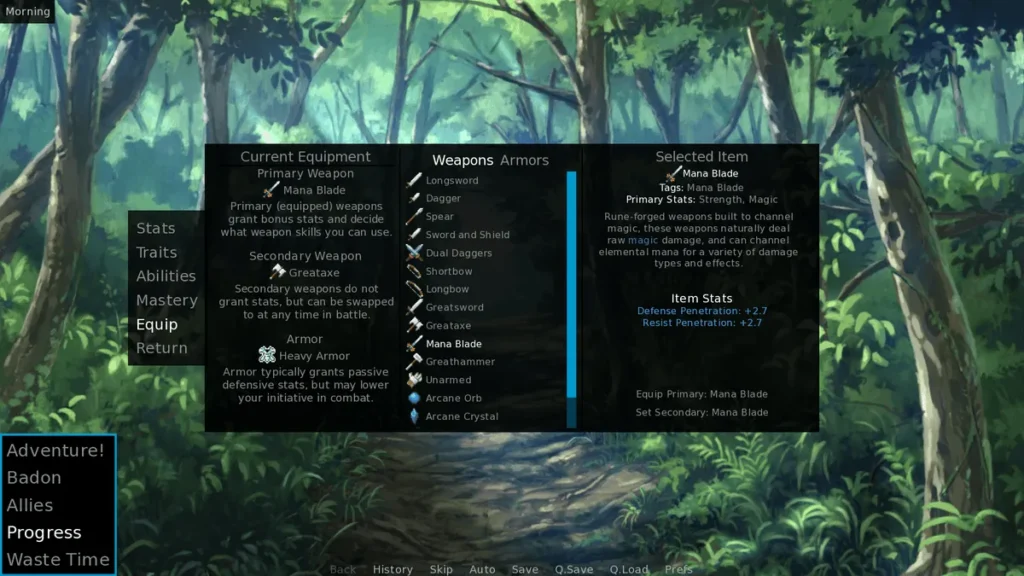
Your journey begins with one of the most expressive toolkits I’ve seen in a character customization RPG. It goes far beyond picking a hairstyle and a class. You define your character’s origin—a street urchin, a disgraced noble, a foreign traveler—which opens unique dialogue options and quests throughout the entire game. Your chosen profession isn’t just a combat role; it influences how you solve problems. My scholar character, for instance, could decipher ancient texts to bypass traps, while a friend playing as a charlatan talked their way past the same obstacle.
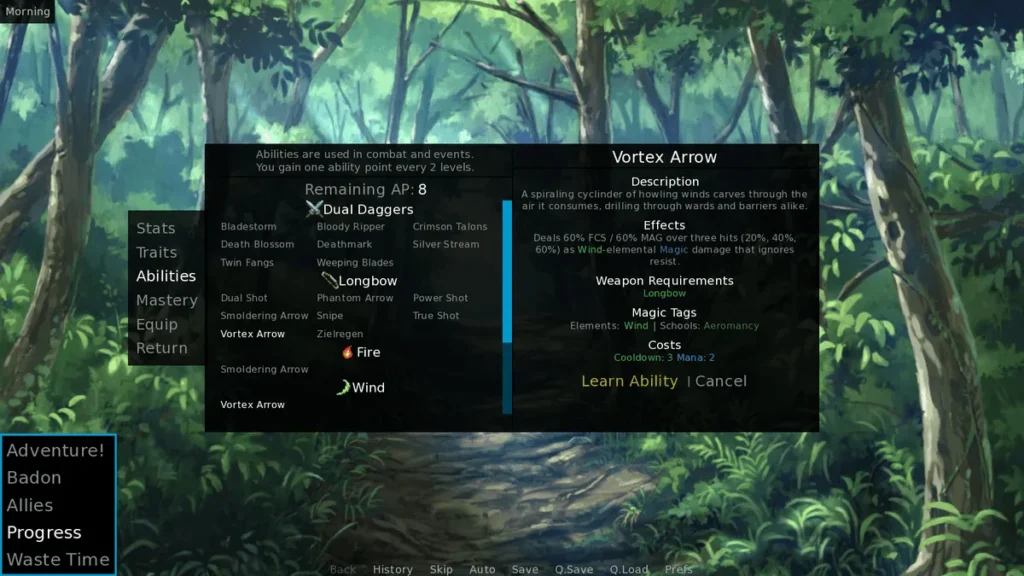
This deep character customization RPG philosophy extends into progression. You don’t just gain “+5 to Sword.” You unlock talents that change how you interact with the world, like “Forensic Eye” to find hidden clues or “Silver Tongue” to unlock persuasion paths previously closed. Your build reflects your personality and playstyle in a truly meaningful way.
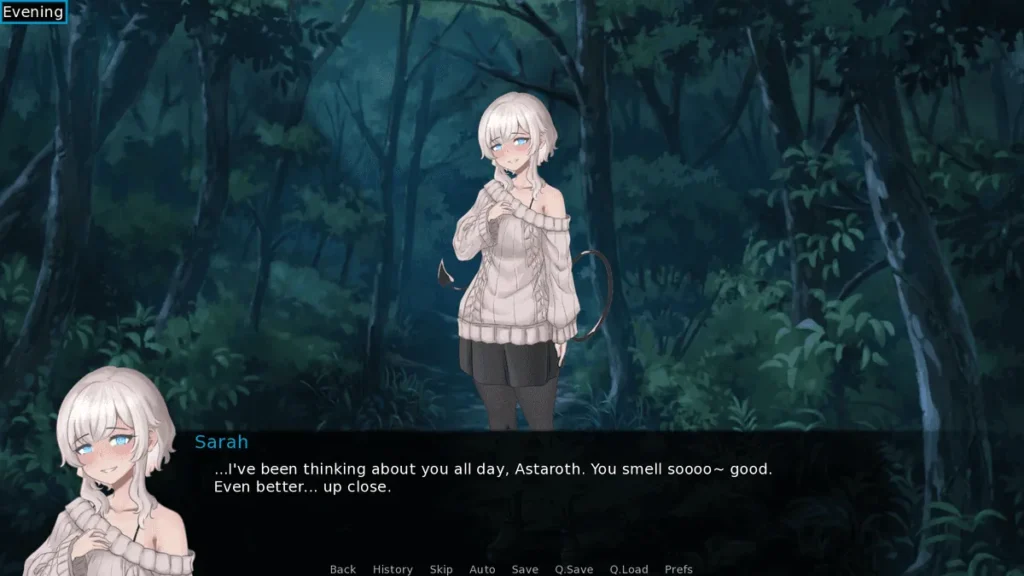
But a hero is only as compelling as their company. The Divine Dawn character relationships system is the emotional core of the experience. Your companions are not silent followers; they are individuals with beliefs, traumas, and desires. They will openly disagree with your choices, argue with each other at camp, and pursue their own objectives—sometimes with or without your support.
Building these relationships isn’t about handing out generic “gifts.” It’s about shared experiences. Standing by a companion in a moment of crisis, supporting their personal quest, or even choosing their suggested plan during a mission will strengthen your bond. Conversely, acting against their values can lead to heated confrontations or even them leaving your party permanently. 🫂
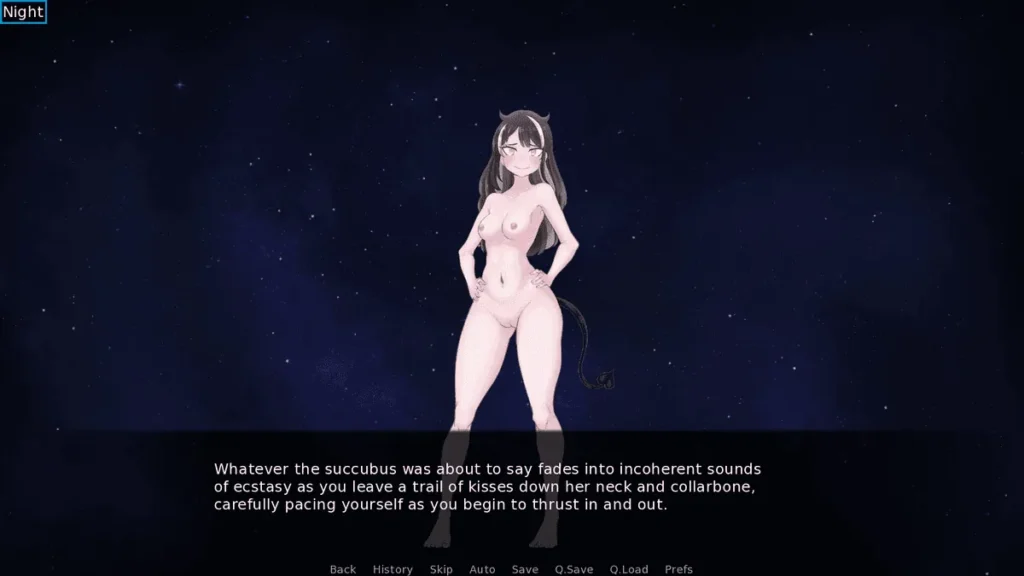
And yes, the romance options are a testament to this depth. These storylines unfold slowly, respecting narrative pacing, and are available with a diverse range of characters. They feel earned and integral to the plot, rather than tacked-on rewards. Whether you find connection with a hardened human mercenary seeking redemption or a graceful, enigmatic being from a misunderstood monstrous culture, each relationship path is a unique, well-written story in itself, adding incredible layers to your narrative-driven RPG experience.
Combat Mechanics and Strategic Depth
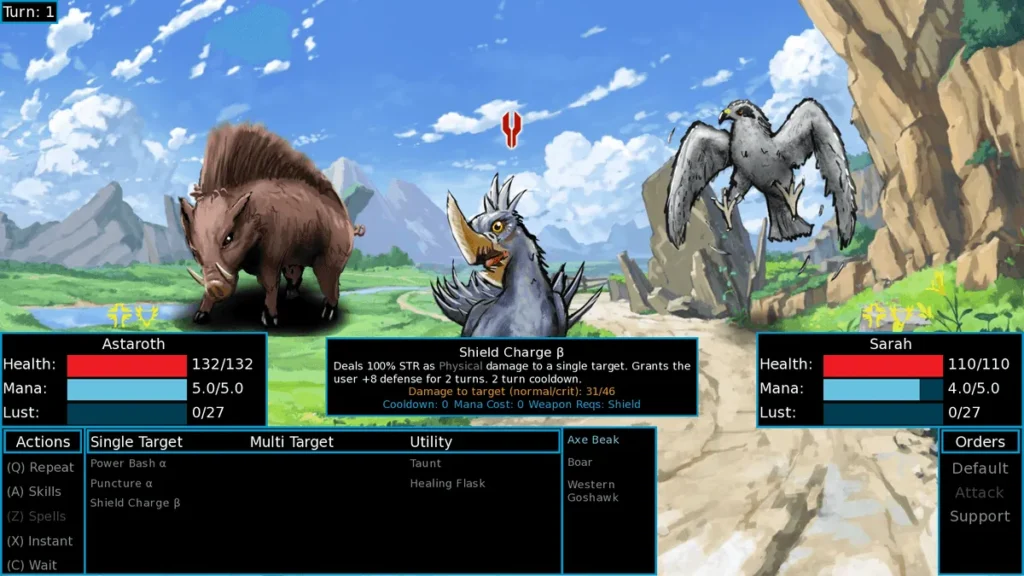
Now, let’s talk about the clash of steel and spell. Divine Dawn employs a turn-based combat system that is both elegantly simple to grasp and devilishly complex to master. If you think turn-based means standing in line and trading hits, prepare to have your mind changed. 🧠⚔️
The battlefield is a true tactical landscape. Elevation, environmental hazards, and line of sight are not just visual flair—they are core Divine Dawn gameplay mechanics. Pushing an enemy off a high ledge can deal massive damage. Luring foes into a patch of oil before lighting it on fire creates a devastating zone of control. The game encourages you to look at the battlefield as a puzzle, with your party’s abilities as the pieces.
What makes the turn-based combat system so brilliant is its seamless integration with the narrative. Combat is rarely a random encounter. It’s the violent culmination of a story choice. That baron you insulted at the banquet? He might send assassins. The sacred grove you defiled? Its ancient guardians will hunt you. This makes every fight feel significant and earned. Furthermore, your character build and choices outside of combat directly influence it. A high persuasion skill might let you talk down a group of bandits, avoiding the fight entirely. A stealthy approach could allow you to assassinate a key target before the battle even begins, crippling the enemy’s forces.
The system shines in its synergy. Party composition is crucial. Combining a warrior’s crowd-control abilities with a mage’s area-of-effect spells, while a support character buffs your team and debuffs enemies, creates satisfying moments of strategic triumph. Each class has multiple viable build paths, allowing you to tailor your party to your preferred tactics. Whether you prefer controlling the flow of battle with status effects or unleashing overwhelming brute force, the turn-based combat system accommodates and rewards your planning.
Pro Tip: Don’t neglect the “Prepare” action! Ending a turn on “Prepare” boosts your initiative next round and can allow certain characters to interrupt enemy turns. Using it strategically to control the turn order is often the key to defeating tougher encounters.
Here is a concrete example of how player choice and agency ripples through every system, from dialogue to combat:
The Scenario: You are tasked with dealing with a notorious gang, the “Ashen Wolves,” terrorizing a trade route.
Choice 1: The Diplomatic Path.
You use your social skills to discover the gang is composed of displaced farmers. You broker a deal with the local lord, offering them amnesty and land in exchange for protection. Outcome: No combat. The gang becomes allied guards. You gain a unique political ally and a safe route, but forfeit any loot from fighting them. Several companions who value justice and second chances will approve.
Choice 2: The Deceptive Path.
You infiltrate the gang, gaining their trust. When their leader confides in you, you can stage a coup, poisoning him and framing a rival. Outcome: A short, brutal combat encounter against the leader and his loyalists only. You take control of the gang for your own ends, unlocking access to the black market. “Lawful” companions will be horrified, while more pragmatic ones may be impressed.
Choice 3: The Direct Path.
You muster the town militia and assault the gang’s hideout head-on. Outcome: A large, difficult multi-stage battle. You wipe out the gang completely, gaining significant combat loot and the town’s immediate gratitude. However, you later learn the famine driving their banditry worsens, causing instability elsewhere.
Each path offers different rewards, different narrative consequences, and dramatically different gameplay experiences. This is the essence of player choice and agency in Divine Dawn—it’s not about picking a “good” or “evil” button, but making nuanced decisions that truly write your story.
From the moment you shape your character’s past to the final, echoing consequences of your last decision, Divine Dawn offers a profoundly cohesive experience. Its Divine Dawn gameplay mechanics are not separate systems, but interlocking parts of a magnificent whole, all in service of delivering unparalleled Divine Dawn story depth. It’s a world that dares you to explore, question, and leave your mark, promising that no two journeys through its divine—and beautifully broken—dawn will ever be the same. 🌅
Divine Dawn represents a thoughtful approach to role-playing game design, prioritizing narrative quality and character depth alongside engaging mechanics. The game successfully balances storytelling ambition with interactive gameplay, offering players meaningful choices that shape their experience. From its distinct character personalities and sophisticated writing to its substantial content volume and strategic combat system, Divine Dawn delivers a comprehensive gaming experience that rewards exploration and engagement. Whether you’re seeking a narrative-driven adventure, character-focused relationships, or strategic gameplay, Divine Dawn provides a well-crafted experience that stands out within its genre. The developer’s commitment to quality content and player agency demonstrates that indie titles can compete with larger productions in terms of depth and polish. For players seeking an immersive RPG experience with genuine character development and meaningful storytelling, Divine Dawn merits serious consideration.