Leaving DNA
Play Leaving DNA
Leaving DNA Screenshots












Leaving DNA review
Dive into the gripping story and steamy choices of this dark adult game
Ever stumbled upon a game that hooks you with a killer story wrapped in tantalizing adult twists? That’s Leaving DNA for you—a story-driven visual novel where you step into the shoes of a criminal prosecutor unraveling a cold case tied to your dad’s elite military unit. From the moment I first played, the dark themes and moral dilemmas had me glued, questioning justice itself. If you’re craving a slow-burn narrative with meaningful choices leading to rewarding encounters, this is your next obsession. Let’s break down everything you need to know about Leaving DNA, from gameplay to hidden paths that make it unforgettable.
What Makes Leaving DNA a Must-Play Adult Visual Novel?
I was scrolling through Steam one evening, the usual sea of pixel art and sprawling RPGs, when a thumbnail caught my eye. 🕵️ It was a stark, moody image of a man in a suit standing over evidence—it screamed “noir,” but with a modern, visceral edge. That’s how I stumbled upon Leaving DNA, a visual novel that promised more than just a quick thrill. I downloaded the demo, thinking I’d kill an hour. Fast forward to 3 AM, and I was absolutely hooked, my mind racing with the moral conflicts of a prosecutor digging into a past that refused to stay buried.
So, what is the Leaving DNA game all about? At its core, you step into the polished shoes of a dedicated prosecutor. Your latest assignment? Reopening a decades-old cold case murder that’s so frosty, most have forgotten it exists. But here’s the twist that sinks its hooks into you: the prime suspects are the former members of your own father’s elite special forces unit. 🎯 Suddenly, the quest for justice isn’t about faceless criminals; it’s a personal excavation into a world of loyalty, secrets, and the devastating cost of duty. This isn’t just another case file; it’s a confrontation with your own legacy.
Unpacking the Core Storyline and Dark Themes
The Leaving DNA story is a masterclass in slow-reveal tension. You’re not just solving a murder; you’re dismantling a fortress of silence built by soldiers trained to leave no trace. The brilliance of this adult visual novel Leaving DNA is how it layers its dark themes. On the surface, it’s a procedural drama. Just beneath, it’s a story about family secrets that could unravel your very identity. Dig deeper, and you hit the bedrock of military cover-ups, where the “greater good” has justified unspeakable acts.
This creates relentless ethical dilemmas. Every piece of evidence you uncover forces you to question: What is true justice? Is it the blind application of the law, or is there a higher morality when the system itself is complicit? The game brilliantly makes you feel the weight of the Leaving DNA prosecutor‘s badge. One moment you’re the unwavering arm of the law, the next you’re a vulnerable child seeking answers from a distant, emotionally scarred father. The Leaving DNA dark themes aren’t just for shock value; they are the engine of the plot, making every revelation feel earned and every secret painfully human.
My Tip: Before you commit, absolutely play the free demo on Steam or itch.io. It’s a substantial chunk of the opening act and perfectly captures the game’s unique atmosphere. It’s the best way to answer “What is Leaving DNA game?” for yourself.
How Choices Shape Your Prosecutor’s Journey?
If the story is the skeleton, your choices are the muscle and nerve. This is where Leaving DNA truly separates itself from the pack. As the Leaving DNA prosecutor, every dialogue option, every piece of evidence you prioritize, and every personal relationship you nurture or neglect directly branches the narrative.
Early on, I faced a pivotal decision. I was questioning a weary former soldier, a friend of my father’s. The official file was thin, and I could either press him hard on the discrepancies in his statement (playing the strict, by-the-book prosecutor) or appeal to his shared history with my dad, a more empathetic, personal approach. I chose the latter. That single choice didn’t just change his response; it unlocked a later scene where he privately shared a crucial, off-the-record memory, a fragment of truth I would have never seen otherwise. It fundamentally altered my path through the Leaving DNA cold case.
Your choices influence two major axes:
* The Investigation: Aggressive vs. diplomatic approaches with witnesses and suspects can open or close avenues of inquiry. What evidence you focus on can lead to different conclusions.
* Relationships: The game features deep, evolving relationships with key characters. Are you a supportive confidant, a professional colleague, or something more intimate? These bonds aren’t just for romance; they provide critical context, emotional support, and alternative perspectives on the case.
The game doesn’t telegraph “THIS IS A BIG DECISION.” It trusts you to live the role, making the impact of your choices feel organic and, at times, devastatingly real.
Why the Slow-Burn Pacing Builds Real Tension
Let’s be honest: many adult games are fast food. 🍔 Leaving DNA is a seven-course meal where every flavor is deliberate. The pacing is a deliberate, slow-burn construction. The game takes its time to establish the mundane reality of legal work—the paperwork, the dead ends, the bureaucratic hurdles—before shattering it with personal stakes. This isn’t a flaw; it’s the source of its formidable tension.
By spending hours building the world and your connections within it, the game earns its dramatic payoffs. The Leaving DNA story makes you invest in the mystery and the people. So, when a romantic or intimate scene eventually occurs, it doesn’t feel gratuitous. It feels like a natural, hard-won culmination of trust, chemistry, and shared vulnerability amidst the chaos. It’s a release of the tension it so carefully constructed. Fans of narrative-driven titles like Chasing Sunsets will recognize and appreciate this philosophy: the journey makes the destination meaningful.
To see how this approach sets it apart, let’s compare it to a few other notable titles in the adult visual novel space:
| Game Title | Story Depth & Pacing | Lewd Content Integration | Player Choice Impact |
|---|---|---|---|
| Leaving DNA | Extremely high. Methodical, character-driven slow burn with a central mystery. | Earned through deep narrative progression and relationship building. Serves the story. | High. Choices significantly branch investigations and define key relationships. |
| Chasing Sunsets | Very high. Focuses on emotional drama and complex character history. | Well-integrated, following substantial character and plot development. | Moderate to High. Shapes relationships and some story outcomes. |
| Nothing is Forever | High. Atmospheric and psychological with a focus on daily life and tension. | Infrequent, used as key narrative punctuation points. | Moderate. Alters character dynamics and story tone. |
This commitment to pacing is why the writing in this adult visual novel Leaving DNA feels so elevated. The prose is sharp, the dialogue crackles with subtext, and the internal monologues of the Leaving DNA prosecutor are genuinely compelling. You’re not clicking through to get to the “good bits”; you’re clicking because you need to know what happens next in the story.
Practical Advice for Your Playthrough:
* Save Often and Strategically: Use multiple save slots, especially before major conversations or decisions. You’ll want to go back and see how the other path unfolds.
* Role-Play Consistently: Decide who your prosecutor is early on. Are they an idealist, a cynic, or someone desperately trying to bridge the two? Stick to that mindset for a more coherent first run.
* Talk to Everyone: Even seemingly minor characters can offer insights that reframe the entire Leaving DNA cold case.
Frequently Asked Questions
-
Is Leaving DNA free to play?
The full game is a premium title, but a lengthy and completely free demo is available on platforms like Steam and itch.io, covering the entire first chapter. -
How long is the demo?
The demo offers several hours of gameplay, easily 2-4 hours depending on your reading speed and exploration. It’s a perfect representation of the full game’s style. -
Does it have multiple endings?
Yes! The branching choice system leads to multiple distinct endings, heavily influenced by your investigative conclusions and the state of your key relationships. -
What’s the art style like?
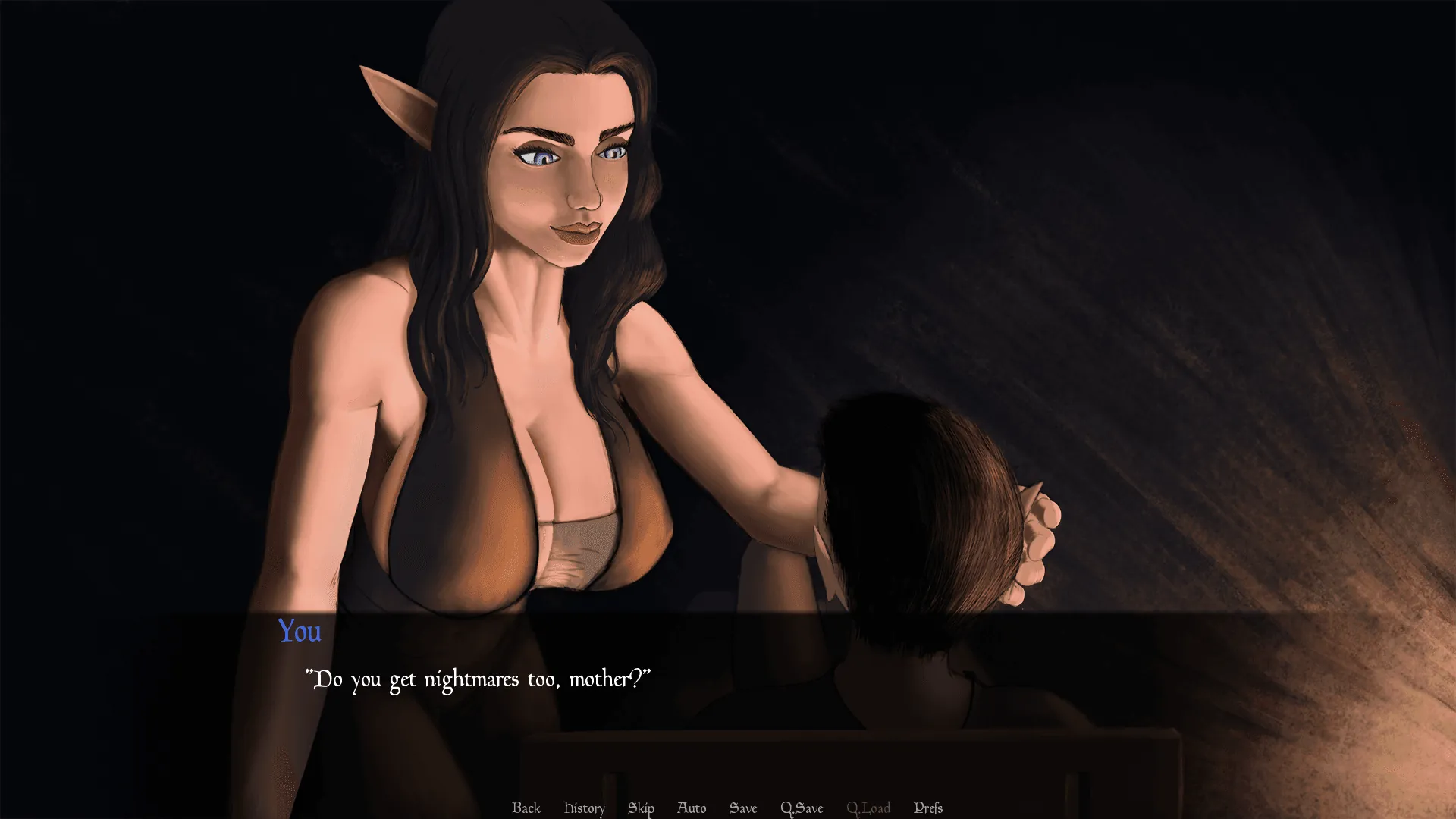
It features a high-quality, realistic style for character renders and backgrounds. The art is crisp, detailed, and excels at conveying subtle emotions and a gritty, atmospheric tone.
In the end, Leaving DNA is more than a game; it’s an immersive narrative experience that trusts its audience with complexity and maturity. It proves that a visual novel can have gripping dark themes, profound choice-driven mechanics, and adult content that feels integral rather than incidental. If you’re looking for a story that will challenge you, engage you, and stay with you long after the credits roll, this is an investigation worth opening. 🧠🔍
Wrapping up my deep dive into Leaving DNA, it’s clear this visual novel stands out with its compelling prosecutor tale, dark twists, and choices that truly matter—making every playthrough a fresh thrill. I remember replaying that one branch three times just to see how far the family secrets unraveled, and it never got old. Whether you’re in for the story or the earned intimate moments, it delivers. Grab the demo on Steam today, dive in, and let me know in the comments which path you’re chasing—your justice journey awaits!