
Lessons in Love
Play Lessons in Love
Lessons in Love Screenshots













Lessons in Love review
Master Events, Characters, and Secrets in This Gripping Visual Novel
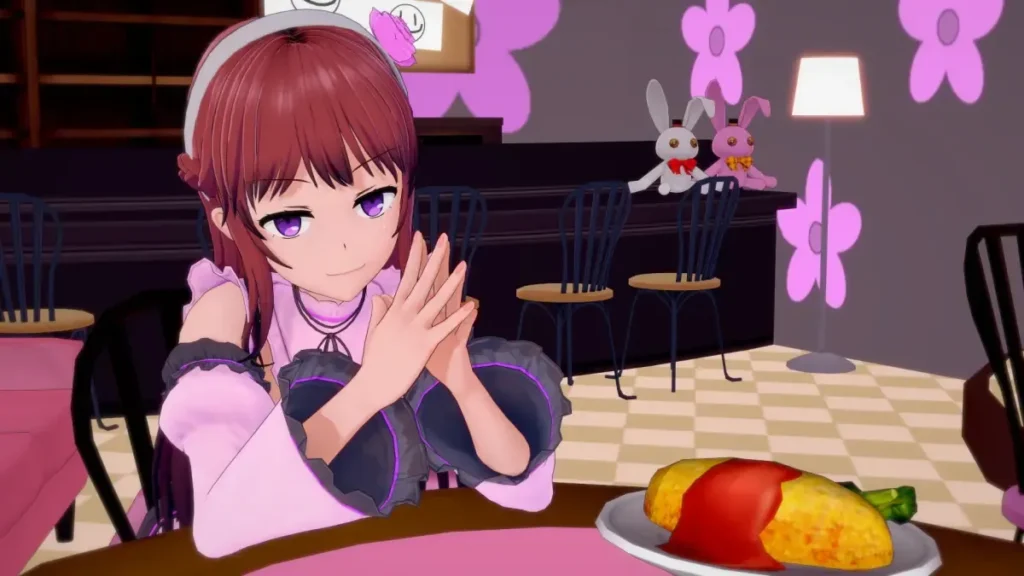
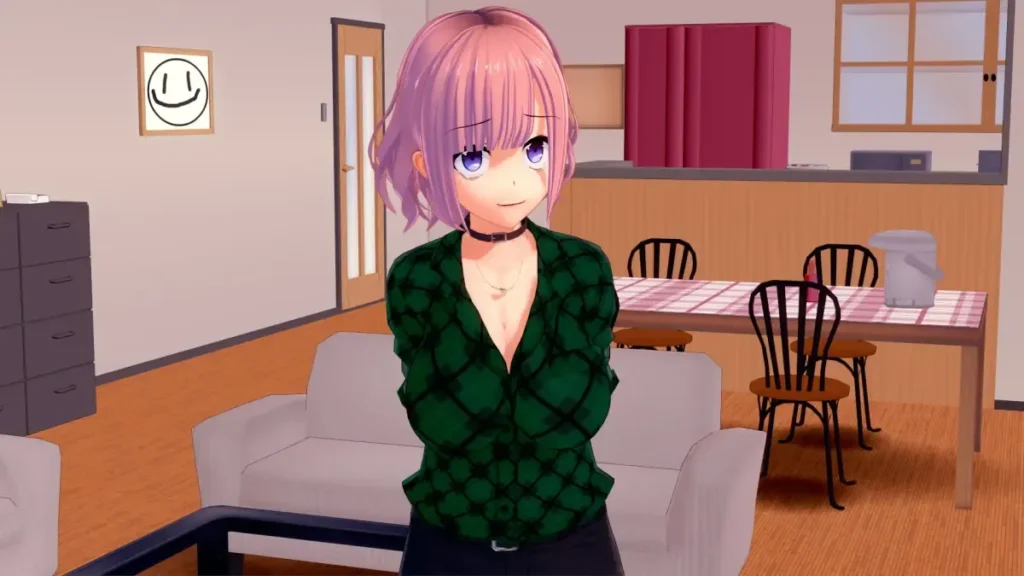
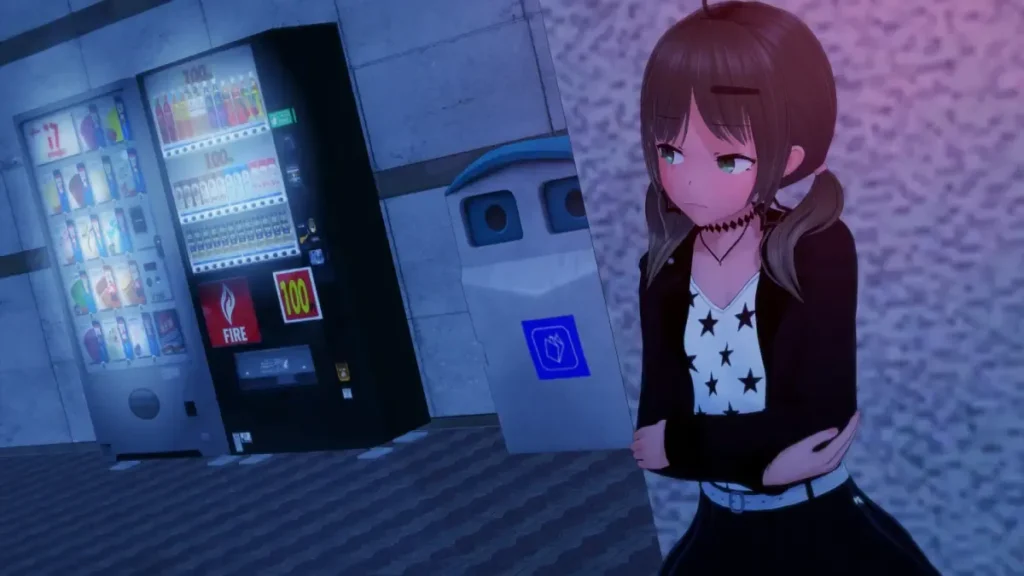
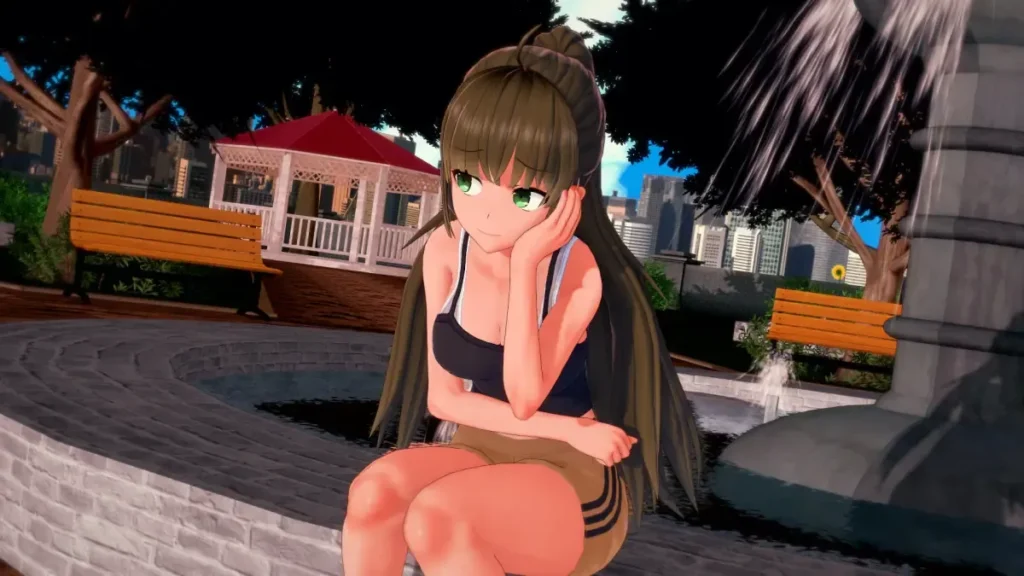
Ever stumbled into a world where teaching high school turns into a mind-bending adventure of affection, mystery, and twisted fates? That’s Lessons in Love for you—a visual novel that hooked me from the first eerie awakening as Sensei in Kumon-mi. With its cell-shaded anime style hiding supernatural horrors and deep character bonds, this game blends steamy encounters with a plot that spirals into the bizarre. If you’re chasing those elusive events or maxing out affection levels with girls like Yumi or Makoto, I’ve got your back. Let’s dive into strategies that transformed my playthroughs from frustrating trials to triumphant unlocks.
Unlocking the Heart of Lessons in Love Gameplay
My first attempt at Lessons in Love gameplay was a spectacular failure. 😅 I thought I was being a good listener, a concerned friend. When Yumi seemed off, I picked every dialogue option that let me dig deeper, push for answers. The result? She shut down completely, a scared reaction that locked me out of her story for weeks. I learned the hard way that in this world, curiosity doesn’t just kill the cat—it slams doors in your face. This game doesn’t play by standard visual novel rules; it demands attentiveness to its unique pulse. If you want to stop guessing and start mastering its rhythms, you’re in the right place. This chapter is your key to understanding the core mechanics that control every heartbeat of this gripping experience.
Let’s unlock the heart of this journey together. ❤️🔥
How Do Affection Levels Work in Lessons in Love?
Think of affection levels in Lessons in Love as less of a traditional “score” and more of a hidden, living gatekeeper. 🗝️ You don’t see a numerical value floating above a character’s head. Instead, their affection is a prerequisite state, a silent meter that must be filled before specific story beats will even acknowledge you. Raising these affection levels is the foundational grind of your daily life in the game.
So, how do you fill this invisible meter? Through consistent, deliberate presence. The primary engine is visiting characters at their known locations each day. You might find Ami painting in the art room, or Sana frequenting the library. Simply showing up, choosing to interact, and selecting generally positive or supportive dialogue options will slowly, incrementally, raise your standing with them. It’s a test of dedication. This daily investment is what gradually unlocks the deeper, more meaningful Lessons in Love events.
Each character has a tiered series of encounters and conversations locked behind these thresholds. You might need a certain level of affection to trigger a private talk after school, and an even higher one for a weekend-specific event. The system brilliantly ties progression to routine, making the passage of in-game days meaningful. My breakthrough came with Sara. I made a habit of visiting her, listening to her music, and slowly, the game opened up the beautiful, poignant “She’s Always a Woman” sequence. That moment didn’t happen by accident; it was the direct result of patiently building that affection level in Lessons in Love.
Pro Tip: Don’t spread yourself too thin early on. Focus on a core group of 3-4 characters to build substantial affection with, rather than trying to please everyone daily and making negligible progress with all.
What Choices Lock Events in Lessons in Love?
If affection is the key, then your Lessons in Love choices are the locksmith—they can carefully open a path or weld the door shut forever. 🔐 This is where the game’s complexity truly shines. The sequence of events and your specific dialogue selections create a branching web of consequences that can massively alter paths.
There are two major types of consequential choices: event order and dialogue selection. Let’s break them down.
-
Event Order: This is crucial. Experiencing events in a specific sequence can open or close off others. A classic example involves Makoto and Yumi. If you encounter a certain park scene with Makoto before a key confrontation with Yumi, the Yumi scene will play out one way. If you haven’t seen the park scene, the confrontation becomes a dead end, locking a potential route. The game expects you to be gathering context from one character’s life to use in another’s, creating a truly interconnected narrative.
-
Dialogue Selection: This is more than just “pick the nice option.” Sometimes, being overly nice seems intrusive. Sometimes, a blunt or sarcastic choice shows a character you get them, earning their trust. My fatal error with Yumi was prying when I should have offered silent company. Other choices can have direct, mechanical consequences: agreeing to meet someone on a Tuesday might overwrite and cancel a potential event with another character scheduled for that same time slot.
Understanding this is vital for any Lessons in Love walkthrough. You’re not just following steps; you’re learning a logic. The game’s deceptively cute art style—all bright colors and charming character sprites—often masks the serious, sometimes horrific implications of the story. A conversation about hobbies can suddenly twist into something unsettling, and your choices in those moments resonate deeply. You’re not just choosing words; you’re steering fragile psyches.
To give you a tactical head start, here are some pivotal early-game moments to aim for:
| Event Name | Primary Character | Key Prerequisites | Approx. Day Required | Unlocks/Leads To |
|---|---|---|---|---|
| The Park Bench | Makoto | Basic affection, visit park area in afternoon. | Day 15-30 | Context for Yumi’s story chain. |
| Library Silence | Sana | Visit library repeatedly; choose observational dialogue. | Day 20-40 | Deeper philosophical talks; prerequisite for late-game events. |
| Confrontation at the Gates | Yumi | Moderate affection; MUST have seen “The Park Bench” with Makoto first. | Day 40-60 | A major branching path for Yumi’s route. |
| Art Room Ambiance | Ami | Visit art room; comment on her work specifically. | Day 25-45 | Opens up weekend painting sessions. |
| The First Loxonin | Miku | Be present at school on a Friday; have interacted with Miku previously. | A Friday, Day 50+ | Initiates the recurring “Loxonin” Friday event chain. |
Best Daily Routines for Lessons in Love Progression
Okay, so we understand the why behind the mechanics. Now let’s talk about the how—the actionable, daily grind that turns understanding into success. Crafting an optimal daily routine is the difference between stumbling in the dark and striding toward your goals. 🌟
Here’s a breakdown of a strategic approach to your in-game days:
-
Prioritize by Time and Day: The game’s calendar is everything. Some Lessons in Love events are locked to specific weekdays or times of day. The most famous example is the “Loxonin” event with Miku, which only happens on Fridays. Mark your mental calendar! Always check what day it is as you start your session, and plan your location visits around known time-sensitive triggers.
-
Balance Your Visits: While focusing on a core group is wise, completely ignoring other characters for long stretches can cause you to miss one-time-only events or fail prerequisites for later chains. A good rule of thumb is a 70/30 split: spend 70% of your daily interaction energy on your primary targets, and 30% checking in on others to keep their stories simmering.
-
Track Major Day Milestones: The game’s narrative has major beats tied to the total number of days since the start. For instance, significant story shifts and complex event chains often open up around Day 271 and beyond. While you don’t need to notate every single day, being aware of these epic milestones helps you understand the scale of the journey. A comprehensive Lessons in Love walkthrough will often reference these day counts for major unlocks.
-
Embrace the Guide (Seriously): My ultimate pro tip? After my initial blind, failure-filled playthrough, I embraced using a community guide. This isn’t about spoiling the story; it’s about ending the futile trial-and-error on mechanical triggers. Use a guide to understand the cryptic prerequisites for how to unlock events in Lessons in Love. It lets you focus on experiencing the story’s emotional weight and making deliberate role-playing choices, rather than stressing over whether you clicked the right spot at the right time. It transforms the Lessons in Love gameplay from frustrating to fascinating.
Common Pitfalls: Your Quick FAQ ❓
-
What if I miss a day in Lessons in Love?
Don’t panic! The game doesn’t punish you for missing a single day. The internal calendar just advances. However, if you miss a day-specific event (like a Friday event), you’ll likely have to wait for that day to come around again in the game’s cycle. -
Can I max out everyone’s affection in one playthrough?
Practically, no. The sheer number of events, time locks, and conflicting schedules makes a “perfect” run where you see everything with everyone nearly impossible without precise, guide-led planning. Embrace this; it makes each playthrough unique. -
Do wrong choices permanently ruin my save?
Very rarely. While choices can lock you out of specific character paths or events, they almost never brick your entire save file. The story adapts and continues. You can always reload a prior save if you want to backtrack a specific choice. -
How important is it to explore every location daily?
It’s not efficient. Early on, explore to find characters. Once you know their haunts, target your visits based on your goals for that playthrough. Random exploration is less productive than focused relationship building.
Mastering the Lessons in Love gameplay is about respecting its systems. It’s a game of patience, observation, and strategic bonding. Manage those hidden affection levels, navigate the consequential Lessons in Love choices with care, and follow a smart routine, and you’ll stop missing out on the game’s deepest, most gripping secrets. Now go on—your class is waiting.
From my endless nights grinding affection in Lessons in Love to uncovering those plot-twisting supernatural layers, this game delivers thrills like no other visual novel. You’ve now got the tools to navigate choices, trigger events, and build bonds that hit deep—whether it’s Yumi’s tense moments or the grand chains like Burden to Bear. Don’t let trial-and-error hold you back; apply these strategies and watch your playthrough soar. Grab your guide tool, fire up the game, and chase those endings. What’s your first unlock going to be? Dive in and share your stories below!