
Seeking Closure
Play Seeking Closure
Seeking Closure Screenshots











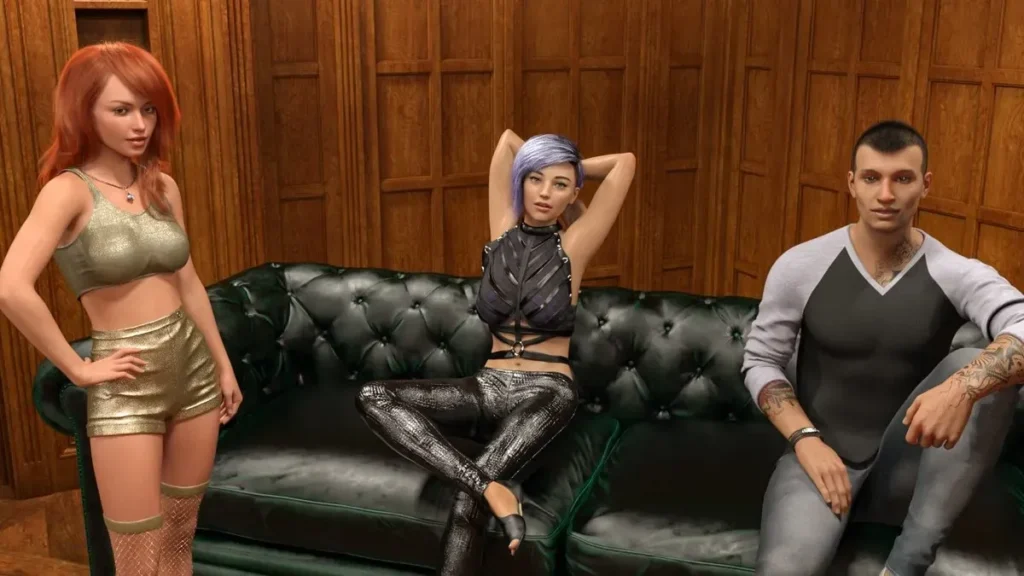

Seeking Closure review
Explore gameplay mechanics, scenes, and everything you need to know about this interactive experience
Seeking Closure stands out as an interactive narrative experience that combines storytelling with player choice mechanics. With 20 distinct scenes, 820 detailed renders, and 7 animated sequences, this game offers an immersive journey through complex character relationships and branching storylines. Whether you’re new to this type of interactive fiction or a seasoned player, understanding the game’s mechanics, content structure, and decision systems will enhance your experience. This guide covers everything from basic gameplay to advanced strategies for unlocking all content and maximizing your playthrough.
Understanding Seeking Closure: Game Overview and Content Structure
Ever find yourself clicking through a visual novel, enjoying the story, but secretly wishing you had more control over where it goes? 🤔 You’re not alone. Many games promise an interactive experience, but their paths feel predetermined. That’s where Seeking Closure bursts onto the scene, flipping the script entirely. This isn’t just a story you watch; it’s a world you actively build with every click. If you’ve ever felt frustrated by linear narratives, this interactive narrative game is your answer, putting the power of the plot squarely in your hands.
My first hour with the game was a wake-up call. I made what I thought was a harmless, slightly cheeky comment to a character early on. No big deal, right? Fast forward a few scenes, and that same character completely shut me out of a crucial, heartfelt conversation. A door I didn’t even see had been firmly locked. 😮 It was that moment I realized Seeking Closure wasn’t playing around. Its choice-based gameplay system is a delicate, reactive web, and this guide is your map to navigating it successfully. Let’s dive into exactly what makes this experience so unique and how you can master its rich, branching world.
What Makes Seeking Closure Unique in Interactive Gaming
At its heart, Seeking Closure is a masterclass in player agency. While many games offer the illusion of choice, here, your decisions are the engine. The core of the experience is a sophisticated affinity decision system that tracks more than just simple “good or bad” answers. It evaluates the tone, intention, and personality behind your selections, building a unique profile for your playthrough.
What truly sets it apart is the seamless integration of its mechanics. The interactive narrative game mechanics aren’t a separate layer; they are the narrative. Your character relationship points aren’t just a number in a menu—they directly alter character dialogue, open up (or close off) private moments, and ultimately determine which of the game’s several endings you’ll unlock. This creates a deeply personal branching storyline game where no two playthroughs are ever quite the same. You’re not following a story arc; you’re defining it through every interaction.
The game achieves this through its dual-track approach. First, there’s the obvious narrative choices in dialogue. But running parallel is the crucial CHICK vs. DIK affinity meter (representing compassionate versus more assertive, roguish personality traits). This isn’t about being “nice” or “mean” in a simplistic way. It’s about your character’s fundamental approach to the world’s challenges. 🧭 Choosing DIK options might get you quick results or impress certain characters, while CHICK choices build trust and deeper bonds with others. Certain major story scenes are gated entirely behind having a sufficient affinity in one direction or the other, making your consistent personality choices profoundly important.
Content Breakdown: Scenes, Renders, and Animated Sequences
Let’s talk raw content, because Seeking Closure delivers a stunning amount of visual storytelling. The game is structured across a compact but incredibly dense 20 key scenes. Don’t let the number fool you—the variability within each scene based on your prior choices is massive. These scenes are brought to life through a whopping 820 renders. These aren’t just static images; they are meticulously composed, high-quality pieces of art that capture every subtle emotion, environmental detail, and pivotal story beat.
To elevate key moments of drama, romance, or action, the game includes 7 animated sequences. These aren’t full-length cartoons, but rather beautifully crafted loops and focused animations that add a layer of immersion and impact to the story’s climaxes. Think of a tense conversation where the camera subtly pushes in, or a celebratory moment that bursts with life. 🎬 These animations are rewards, often unlocked by making specific series of choices or achieving high character relationship points with key individuals.
The distribution of this content isn’t equal across all paths, which is a deliberate and brilliant design choice. Your focus on certain characters determines what you see. Here’s a simplified breakdown of how content is spread across different narrative routes:
| Story Path / Focus | Estimated Number of Key Scenes | Estimated Renders | Animated Sequences |
|---|---|---|---|
| Main Character A (CHICK Route) | 8-9 | ~340 | 2 |
| Main Character A (DIK Route) | 7-8 | ~310 | 2 |
| Main Character B Route | 5-6 | ~220 | 1 |
| Secondary Character Arc | 4-5 | ~180 | 1 |
| Shared / Neutral Story Scenes | 6 | ~270 | 1 |
🚀 Pro Tip: This table shows why multiple playthroughs are essential! Locking into one path means you’re only seeing 40-50% of the total game scenes and renders. To experience everything, you’ll need to explore different affinity choices and pursue different relationships.
How Player Choices Shape Your Experience
This is where the magic of Seeking Closure truly happens. The choice-based gameplay system is designed to create meaningful, long-term consequences. It’s not about picking a color for your car; it’s about laying railroad tracks that determine which city your narrative train will eventually arrive in. 🚂
Let’s walk through a concrete, real-game example to see this cascade in action:
The Early Decision: In Scene 3, you’re at a casual dorm party. Character “Jordan” is being loudly mocked by a side character for a failed exam. You have a choice:
1. (CHICK) Defuse the situation. Suggest everyone study together later, taking the heat off Jordan.
2. (DIK) Amplify the roast. Crack an additional, witty joke at Jordan’s expense, bonding with the crowd.
3. Stay silent and observe.
The Immediate Result: Option 1 grants you +2 relationship points with Jordan. Option 2 grants you +1 point with the side character and shifts your affinity toward DIK. Option 3 yields nothing.
The Cascading Consequences (Scenes Later):
* If you chose Option 1 (CHICK): In Scene 8, Jordan seeks you out privately when they’re struggling with a personal crisis. This unlocks a unique, tender scene (with its own special renders) where you can deepen your bond significantly. This path may later lead to Jordan being a crucial ally in Scene 15.
* If you chose Option 2 (DIK): In that same Scene 8, Jordan avoids you. However, the side character you bonded with now invites you to an exclusive party in Scene 10, a scene not accessible on the CHICK path. Here, you meet new characters and face a different set of moral choices.
* If you chose Option 3 (Silent): You miss both the Jordan scene and the party invite. Your path remains more neutral, potentially making certain late-game alliances harder to form because you’ve invested in no one.
This example shows how the affinity decision system works on multiple levels. It’s not just about points with one person; it’s about defining your personality (CHICK/DIK), which opens entire scenes, and it’s about creating narrative debt or credit that pays off hours later.
The branching storyline game structure means you must embrace the fact that you cannot see everything in one go. This isn’t a flaw; it’s the game’s greatest strength. It validates your choices by making them exclusive. My personal insight? Don’t try to game the system on your first playthrough. 😌 Pick responses that feel true to the character you want to role-play. Be the compassionate friend, the ambitious rogue, or the cautious observer. Live with the consequences. Then, reload an old save or start fresh to explore a different personality. You’ll be amazed at how much new dialogue, scenes, and renders you discover—it genuinely feels like a different story.
Understanding this interactive narrative game mechanics early is the key to satisfaction. If you go in blind, you might accidentally lock yourself out of a character’s route you were curious about. But if you understand that your consistent personality (affinity) and key relationship investments are the currency for unlocking content, you can play with purpose. Seeking Closure rewards careful attention and emotional investment, offering a rich, replayable tapestry of stories that genuinely feel like your own creation. It’s a powerful demonstration of how video games can tell stories that are not just interactive, but personally authored.
Seeking Closure delivers a rich interactive experience through its combination of meaningful player choices, detailed visual content, and interconnected character relationships. By understanding the game’s decision system, affinity mechanics, and content structure, you can craft a personalized narrative journey that reflects your preferences and playstyle. Whether you’re pursuing specific character paths, hunting for all special renders, or aiming for complete gallery coverage, the strategies outlined in this guide will help you navigate the game’s branching storylines with confidence. Take your time exploring the various choices available, maintain multiple save files at critical decision points, and don’t hesitate to replay sections to experience alternative outcomes. The depth of Seeking Closure lies in its ability to create different experiences based on your decisions, making each playthrough a unique adventure through its 20 scenes and 820 renders.