Short Sad Stories
Play Short Sad Stories
Short Sad Stories Screenshots


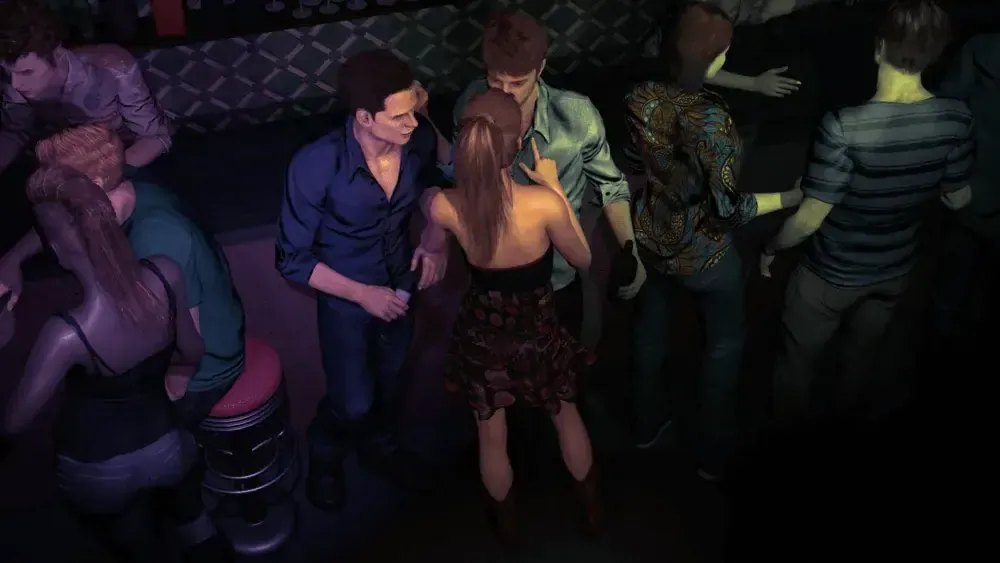
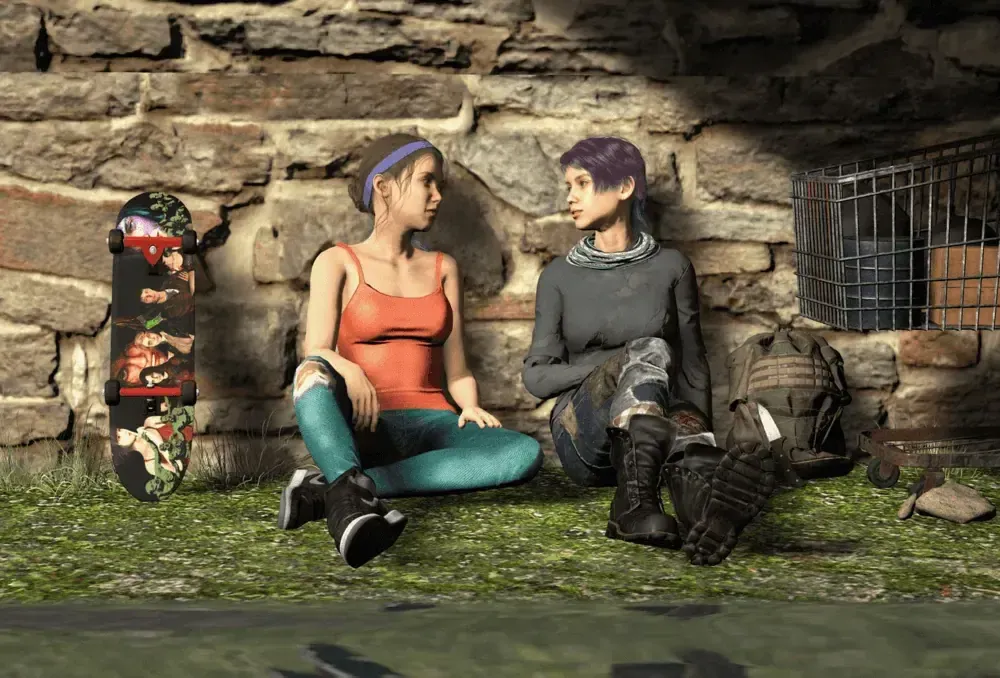
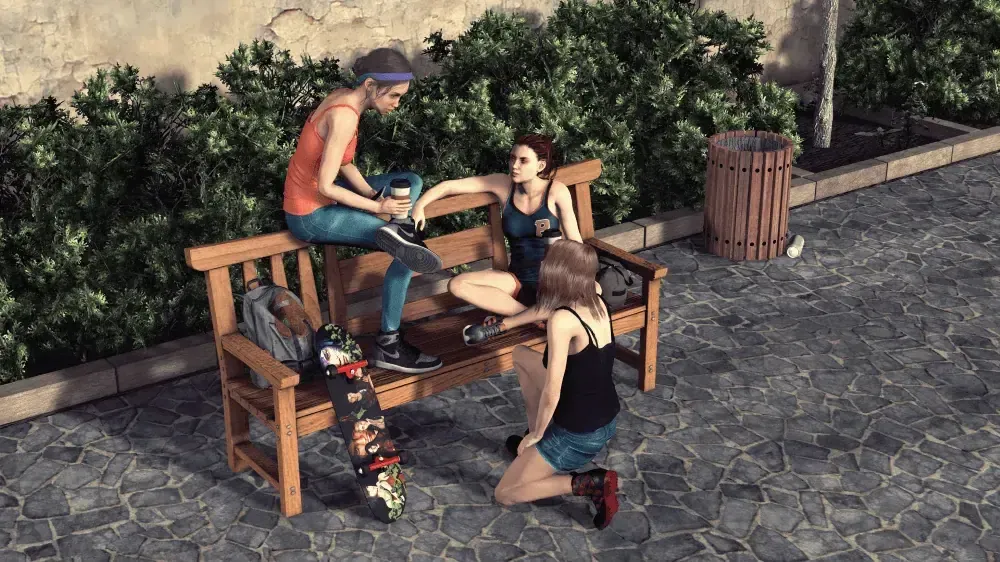
Short Sad Stories review
Dive into Heartbreaking Narratives and Choices in Pent Panda’s Captivating Game
Imagine stepping into a world where every choice tugs at your heartstrings, blending raw emotion with intimate moments in Short Sad Stories. This Pent Panda gem isn’t just a game—it’s a poignant journey through love, loss, and desire among young adults in a bustling city. From Alice’s dreamy divide between reality and fantasy to Zach’s hollow homecoming, Short Sad Stories delivers intertwined tales of dilemmas, hidden passions, and hope amid misfortune. I’ve replayed it multiple times, each path revealing deeper layers of heartbreak and connection. Ready to explore why this interactive visual novel has players hooked? Let’s uncover its emotional depth and steamy twists.
Why Short Sad Stories Captivates with Its Unique Storytelling?
I still remember my first evening with Short Sad Stories. I’d settled in expecting a quiet, linear tale, maybe a few tears before bed. What I got instead was a gentle, devastating sucker punch to the heart that lasted for days. 😢 It wasn’t just about reading a sad story; I was living inside one, making choices that felt trivial until their consequences quietly echoed hours later. At the center of it all was Alice, a young woman clinging to a vibrant imaginary world as her real one crumbled, and Zach, her childhood friend returning home not as a hero, but as someone more lost than when he left. From that first playthrough, I was hooked on Pent Panda’s unique brand of interactive heartbreak.
This emotional storytelling game doesn’t just tell you a story—it makes you complicit in its fragile beauty and its pain. The real magic, and the source of its deep resonance, lies in how it structures its sadness. Let’s dive into why this game’s approach to narrative feels so uniquely captivating.
Unpacking the Intertwined Lives of Alice, Zach, and Friends
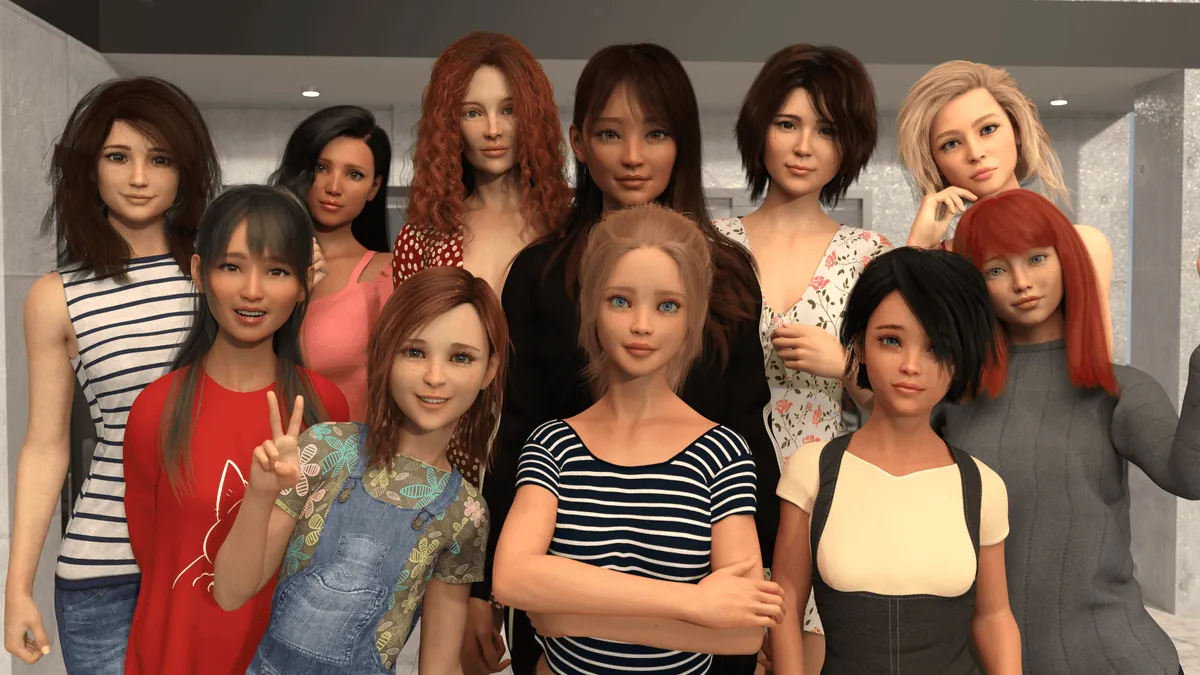
The Short Sad Stories characters are its greatest strength. They feel less like fictional creations and more like people you once knew, whose flaws and fears are painfully familiar. The Short Sad Stories narrative is built on the shaky foundation of their interconnected struggles in a bustling, indifferent city.
Take Alice Short Sad Stories arc: she’s an artist retreating into a lush, hand-drawn fantasy land to escape grief and anxiety. Her journey isn’t about “fixing” her reality, but about the exhausting, courageous act of learning to face it. Then there’s Zach Short Sad Stories journey, which is a masterclass in shattered expectations. He comes back hoping to rekindle old bonds and find purpose, only to discover he’s a stranger in his own life, grappling with failure and a profound sense of irrelevance. 😔
But the story doesn’t stop with them. Their circle of friends—each carrying their own secret burdens, romantic entanglements, and quiet despairs—completes the picture. This isn’t a tale about one person’s tragedy; it’s a tapestry of young adulthood, woven with threads of disappointment, fragile hope, complex love, and the slow, often painful, journey toward maturity. The what is Short Sad Stories plot question is best answered this way: it’s the story of a group learning that overcoming doesn’t always mean winning, and that hope can be found in simply facing another day together.
How Branching Paths Blend Sadness and Intimacy
Here’s where Short Sad Stories truly redefines interactive fiction. Unlike many branching storylines visual novel games where you chase a “good” or “bad” ending, this game is interested in something subtler: depth of understanding. Your choices often don’t radically alter the final destination, but they fundamentally change the emotional path you take to get there.
The game employs brilliant emotional mechanics. You might be asked to curate a character’s belongings after a loss, each item a silent story that deepens your empathy. You’ll experience memory replays, where you re-live a pivotal moment with new context, drowning in the weight of “what if.” A simple action, like choosing where to place a forgotten photograph, can trigger a wave of catharsis that text alone could never achieve. 😭 It’s storytelling through interaction, where sadness becomes an intimate, shared experience between you and the character.
| Story Arc Theme | Core Narrative Mechanic | Emotional Payoff |
|---|---|---|
| Grief & Escapism (Alice) | Curating items between reality and fantasy; Toggling between art styles. | Catharsis through accepting painful memories. |
| Failure & Identity (Zach) | Memory replays of key life failures; Dialogue choices that rebuild or burn bridges. | Understanding regret without the chance for a simple fix. |
| Complex Group Dynamics | Choosing which character to support in a conflict; Overhearing private conversations. | Empathy for multiple perspectives, realizing there’s rarely one “right” side. |
This approach makes every playthrough deeply personal. The branching storylines visual novel design here is a tool for exploration, not just alteration. You’re not steering the car; you’re choosing which scenery to pay the most attention to on a predetermined road, and that scenery changes everything.
Player Choices That Reshape Emotional Journeys
So, if the endings have a certain inevitability, do your choices matter? Absolutely—more than ever. They shape the quality of the relationships and the texture of the heartbreak. A playthrough where you encourage Zach to be brutally honest might lead to a painful confrontation but also a raw, authentic reconciliation. A path where you enable Alice’s retreat could see her find solace entirely in her fantasy, leaving her real-world connections to wither. 🍂
I dedicated a weekend to multiple playthroughs, and the differences were stunning. In one, I focused on mending every broken bond, leading to a bittersweet finale where the group, though scarred, held each other up. In another, I followed my more protective instincts, which led to Alice feeling understood but ultimately more isolated, and Zach leaving the city again, alone. The core Short Sad Stories narrative remained, but my emotional journey through it was completely different.
“I didn’t expect a simple animation—Zach just putting his head in his hands after a failed conversation—to crash the entire story’s emotion right into me. In that silence, I felt every one of my choices weigh a ton.”
Actionable Advice for Maximum Emotional Payoff:
* Listen, Don’t Just Read: Pay attention to pauses, sighs, and changes in the music. The biggest emotional cues are often unspoken.
* Embrace the “Wrong” Choice: Don’t reload a save if a conversation goes badly. Sit with the discomfort. Regret is a core theme of the game, and you should allow yourself to feel it.
* Play in the Right Environment: This isn’t a game for a noisy, distracted setting. Play it like you’d read a profound novel—with time and space to process.
In my opinion, Short Sad Stories is a landmark emotional storytelling game because it trusts sadness to be compelling all on its own. It doesn’t gamify grief or package it with easy solutions. It asks you to witness it, participate in it, and ultimately, understand it on a human level. Through the intertwined lives of Alice, Zach, and their friends, and via its nuanced branching storylines visual novel approach, it proves that the most powerful stories aren’t those where you change the world, but those where the world quietly, indelibly changes you.
Short Sad Stories by Pent Panda lingers long after the credits roll, weaving heartbreak, desire, and hope into every choice you make. From Alice’s ethereal struggles to the group’s raw confrontations, this visual novel masterfully balances emotional depth with intimate encounters, inviting you to replay and uncover new layers. My own journeys through its paths left me reflective, empathetic, and craving more. If you’re drawn to games that touch the soul while sparking passion, dive into Short Sad Stories today. Download the Final + DLC version, explore its worlds, and let it change how you see interactive tales. Your heart—and your evenings—are in for an unforgettable ride.