Strangers on Paper
Play Strangers on Paper
Strangers on Paper Screenshots
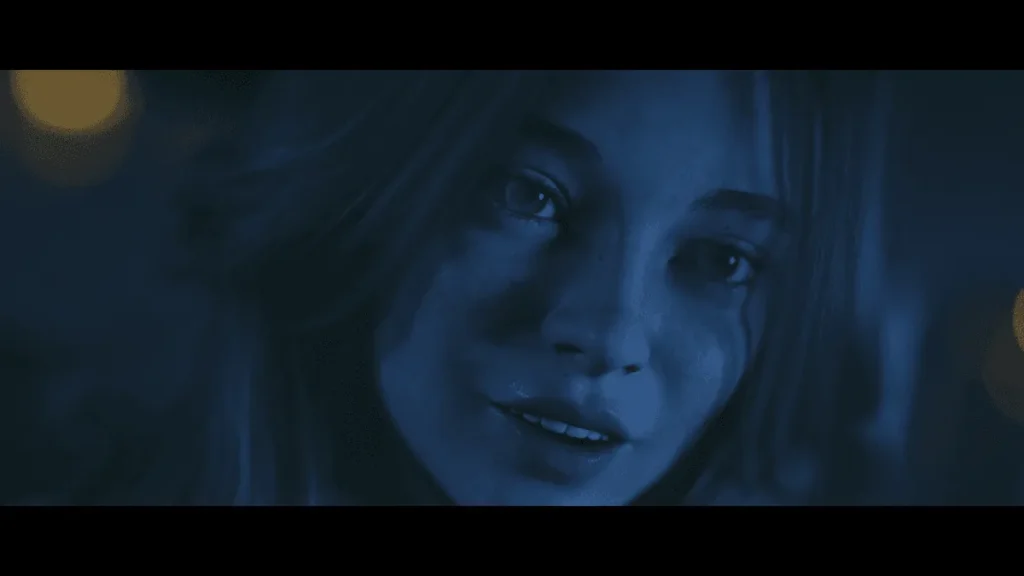

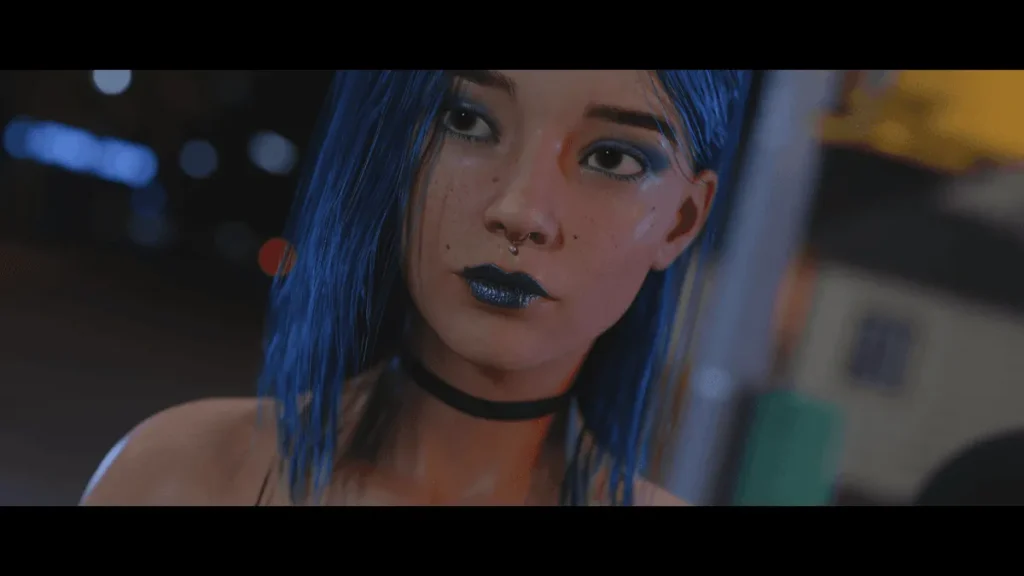




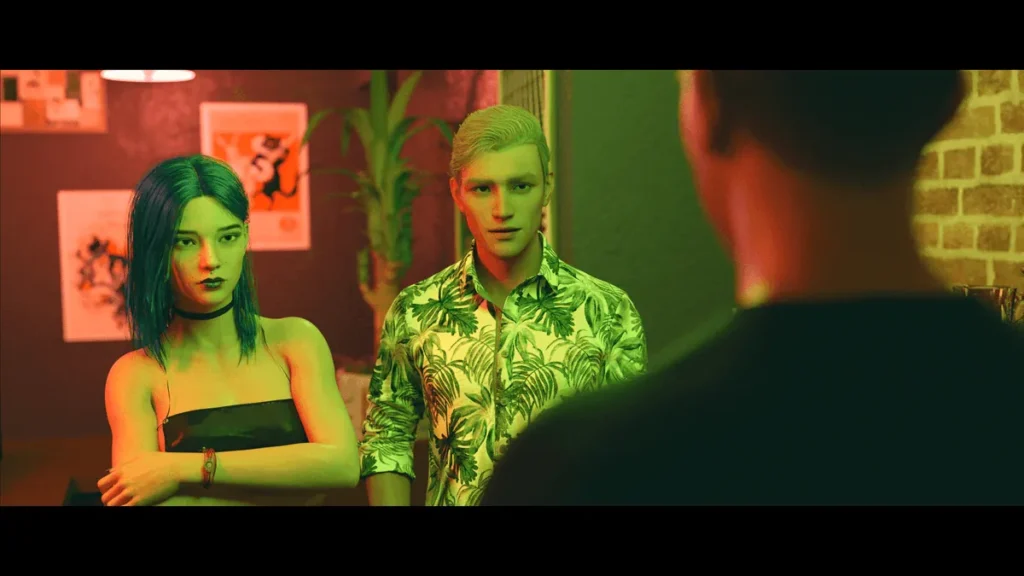
Strangers on Paper review
Gameplay, choices, and personal impressions of Strangers on Paper
Strangers on Paper is an adult-oriented interactive game that blends choice-based storytelling with visual novel elements and explicit themes. Many players stumble on it through screenshots or short clips and want to know what the actual experience feels like before they commit time to it. In this article, I’ll walk you through how Strangers on Paper plays, what kind of story and scenes you can expect, and how it compares with other mature visual novels. I’ll also share honest personal impressions from real play sessions so you can decide if its style, pacing, and content match what you’re looking for.
What Is Strangers on Paper and How Does It Work?
So, you’ve heard the name floating around, maybe seen a provocative screenshot or two, and you’re wondering: what in the world is Strangers on Paper? 🤔 Is it just another flashy distraction, or is there something more beneath the surface?
Let’s pull up a chair and unpack this intriguing story driven adult game together. At its heart, Strangers on Paper is an interactive story where you, the player, hold the pen. Your choices—what to say, how to act, when to push or pull back—script the entire narrative. Think of it less as a traditional “game” with points to score and more as a choose-your-own-adventure novel that comes to life with stunning visuals and mature, compelling drama.
What is the basic premise of Strangers on Paper?
Imagine walking into a beautifully drawn, tension-filled world where every conversation is a crossroads. The core premise of the Strangers on Paper game is elegantly simple: you guide a main character through a web of complex relationships, using dialogue and action choices to navigate scenes of intimacy, conflict, and revelation.
The “paper” in the title isn’t just for show. It reflects the structure of the experience. You are presented with your options laid out clearly, like lines on a page. Will your character be bold or cautious? Sincere or manipulative? Playful or serious? Each selection folds into the next, creating a branching narrative unique to your playthrough. This isn’t a story you watch; it’s one you actively author, with all the mature themes—desire, secrecy, emotional risk, and complicated connections—that such a responsibility entails.
To give you a quick snapshot of what defines this experience, here are its core aspects:
- Story-First Design: The narrative is the main event. Everything—the visuals, the music, the choices—exists to serve an engaging, character-driven plot.
- Meaningful Choices: Your decisions carry weight, altering character relationships and unlocking (or locking) entire story paths.
- Visual Novel Presentation: Expect a focus on character portraits or detailed scenes, text boxes, and evocative scene transitions that prioritize mood and story over frantic action.
- For a Mature Audience: This experience is strictly for adults. It deals with explicit themes and contains content of a suggestive and intimate nature, designed for responsible engagement.
How does Strangers on Paper gameplay feel moment to moment?
Alright, so you understand the what. But what does it actually feel like to play? The Strangers on Paper gameplay loop is immersive and deliberately paced. A typical scene will present you with narrative text setting the mood, dialogue from other characters, and then your menu of responses.
You’ll read, consider your options, and make a choice. The scene then unfolds based on that choice, often leading to new dialogue, a shift in the character’s expression, or a transition to a new location. Occasionally, you might have action choices beyond dialogue, like deciding to move closer, touch someone’s arm, or leave a situation. The game remembers your key decisions, and you’ll often see subtle (or not-so-subtle) callbacks later, where a character references something you said or did hours of gameplay ago.
I remember my first session vividly. 🎮 I booted it up expecting, frankly, a fairly straightforward experience. But within twenty minutes, the game presented me with a choice that wasn’t just “be nice” or “be mean.” It was a nuanced, morally awkward decision about sharing a secret. On my screen, it was just text on paper, but it felt like a genuine betrayal. I hesitated, clicked, and spent the next chapter dealing with the palpable chill of mistrust I’d created. That’s the magic of this choice based adult game—it makes you feel the consequence of your scripting.
To visualize how different choices can steer the narrative, consider this simple breakdown of a hypothetical early-game scenario:
| Your Character’s Goal | Choice Presented | Potential Narrative Consequence |
|---|---|---|
| To build trust with Character A | Reveal a personal secret vs. Deflect with a joke | Unlocks deeper, more vulnerable scenes later vs. Keeps the relationship light and playful but superficial |
| To navigate a tense encounter | Confront the issue directly vs. Change the subject smoothly | Leads to immediate conflict and resolution vs. Postpones drama but allows tension to simmer |
| To initiate intimacy | A bold, direct approach vs. A slow, questioning advance | Could be welcomed or rejected based on prior choices, altering the dynamic entirely |
This structure means the game is a slow-burn. It’s about the anticipation, the glance held a moment too long, and the weight of unspoken words. The explicit scenes, when they occur, feel like a natural culmination of the path you’ve chosen, not isolated events. They are earned through your narrative choices.
Who is Strangers on Paper really made for?
This is the million-dollar question. The Strangers on Paper experience isn’t for everyone, and that’s perfectly okay. Knowing who it’s for will tell you if it’s for you.
First and foremost, this adult visual novel is made for readers and story lovers. If you enjoy getting lost in a good book, savoring character development, and pondering “what if?” scenarios, you are the prime audience. You need to be comfortable with reading as the primary mode of interaction.
It’s for players who crave agency in storytelling. If you’ve ever watched a movie and yelled at the character, “Don’t go in there!” this game gives you the power to make them turn around. The joy comes from seeing how your unique combination of choices crafts a story that feels personally yours.
My Personal Insight: The biggest appeal for me wasn’t just the scenes themselves, but the power to dictate their context. I could guide a relationship to be tender and romantic, or charged with a more aggressive, dominant dynamic. The story became a reflection of my curiosity.
Conversely, you might want to look elsewhere if:
* You seek fast-paced action, quick-time events, or traditional game challenges.
* You prefer gameplay that tests reflexes rather than empathy and decision-making.
* You’re not interested in slow, conversational pacing and deep narrative immersion.
To put it simply, Strangers on Paper swaps controller reflexes for emotional reflexes. Your “skill” is in understanding the characters and navigating their desires. It’s a game about psychology and consequence, played out on a digital page.
As we wrap up this first look, let’s address a couple of common questions that might be on your mind before diving in.
Is Strangers on Paper suitable for me if I prefer story over action?
Absolutely, yes. In fact, if you prefer story over action, this is likely a perfect fit for you. The entire design philosophy of this story driven adult game prioritizes narrative depth, character arcs, and the consequences of choice above all else. Action, in the traditional gaming sense, is virtually non-existent. The “action” here is entirely interpersonal and psychological.
How long does a typical session of Strangers on Paper last?
This is highly flexible, which is one of its strengths. You can easily enjoy a satisfying 20-30 minute session, completing a key scene or conversation. However, the narrative is often so engrossing that it’s very common to fall into a “just one more scene” loop and spend an hour or more in a single sitting. The game saves progress regularly, making it easy to play at your own pace.
In the end, Strangers on Paper offers a very specific kind of magic: the thrill of authorship. It hands you a cast of complex characters and a world rich with potential, then says, “You write what happens next.” That sense of crafting your own private, personal story—with all its messy, mature, and captivating twists—is, without question, the core of its unique appeal. This Strangers on Paper review of its fundamentals shows a game deeply committed to delivering on that promise.
Strangers on Paper stands out as a slow-burn, story-first adult experience where your written choices quietly shape every relationship and scene. If you enjoy reading, tension-filled conversations, and guiding a character through messy, intimate situations at your own pace, it can be surprisingly absorbing. As with any mature game, it works best when you go in with clear expectations and pick the paths that align with your comfort level. Take your time, experiment with different routes, and treat each playthrough like a new draft of the same story—your story on paper.