
Time Loop Hunter
Play Time Loop Hunter
Time Loop Hunter Screenshots



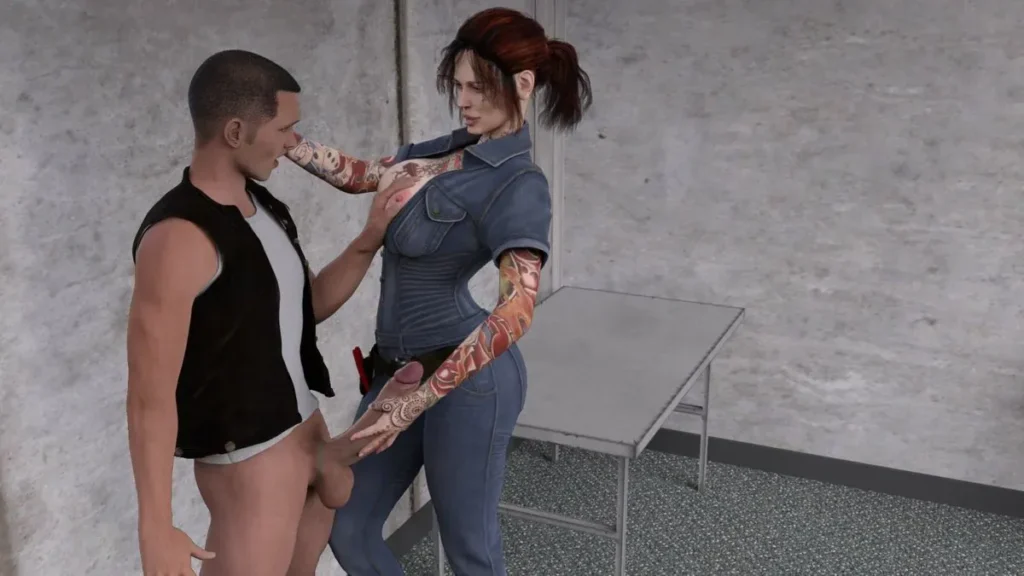


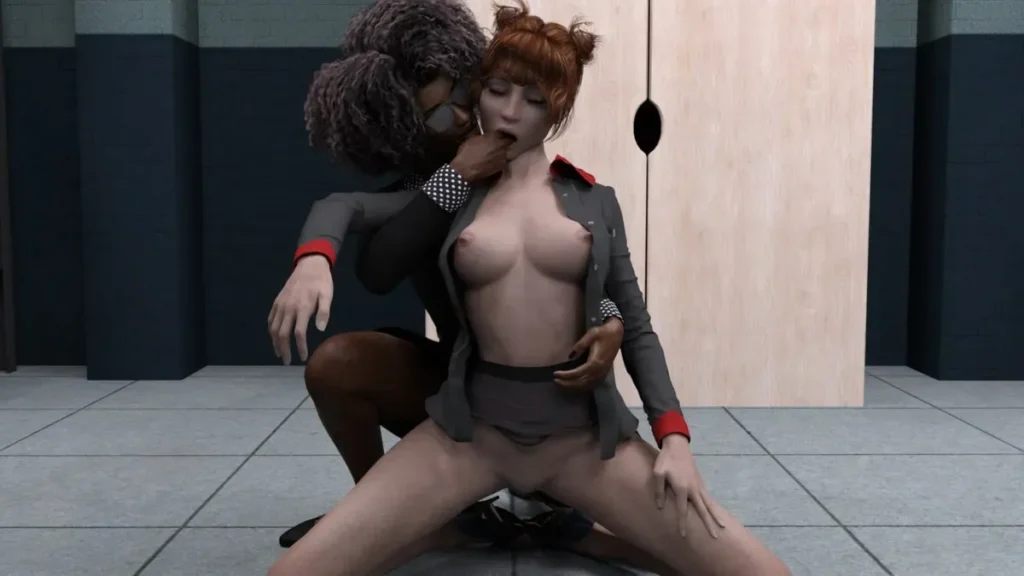
Time Loop Hunter review
A player-focused look at Time Loop Hunter, its time travel story, choices, and replay value
Time Loop Hunter is an adult time-travel adventure where you play as Jon, a young man stuck in a repeating 15-day cycle and trying to fix the mess his life has become. The twist is that every reset lets you keep what you learned and push the story in new directions. When I first tried Time Loop Hunter, I expected a simple, linear experience, but the game’s mix of investigation, planning, and character relationships completely pulled me in. In this article, I’ll walk you through how the loop works, why the narrative structure matters, and what kind of player will get the most out of this game.
How Time Loop Hunter Works: Story, Loops, and Choices
Alright, let’s dive into the heart of what makes Time Loop Hunter tick. 🕰️ If you’re here, you’re probably curious about the game’s famous loop, its story, or how much of your life it might consume. This chapter breaks down exactly how this unique choice based adult game operates, from its sci-fi mystery core to the satisfying puzzle of its repeating days.
At its simplest, Time Loop Hunter drops you into the worn-out shoes of Jon, a 22-year-old who’s pretty much hit rock bottom. His life is a mess of bad decisions and regret. Then, out of nowhere, a bizarre, unseen force intervenes. He’s pulled into a 15-day loop system, a repeating cycle tied to a mysterious and spreading threat that’s affecting the people around him. This isn’t just a second chance—it’s a toolbox. The game brilliantly blends adult-oriented character relationships with light detective work and a solid sci-fi hook. You’re not just pursuing romantic encounters; you’re investigating a mystery, rebuilding a life from ashes, and using the gift of repetition to do it all better.
Before we get into the nitty-gritty, here are the main pillars that hold up the Time Loop Hunter gameplay:
- The Premise: A relatable loser gets a supernatural do-over to fix his life and solve a mystery.
- The Clock: A tight, 15-day cycle that resets, creating a puzzle-box world.
- The Routes: Deep character stories that unfold across multiple loops, requiring planning to access.
- The Investigation: Light “detective” elements where you piece together clues about the looming threat.
So, how does all this fit together? Let’s get into the details.
What is the core story setup in Time Loop Hunter?
The Time Loop Hunter story starts with a brilliant hook: empathy through failure. You play as Jon, and let’s be honest, he’s made a hash of things. 😅 This isn’t a power fantasy where you start as a hero. You start as a guy with a lot of apologizing to do and a life to reassemble. This is crucial because it makes the time loop mechanic mean something. The appeal isn’t in gaining superpowers; it’s in gaining wisdom and the chance to mend what was broken.
The mysterious force that grants the loop doesn’t hand you a manual. You discover, alongside Jon, that there’s a sinister “menace” at work. It’s subtly influencing events and people in your city, and part of your overarching mission across loops is to understand and stop it. This threat weaves together the more personal stories—the affected people around Jon include old friends, new acquaintances, and potential love interests. Your goal becomes twofold: heal your own personal world and protect the larger one from this creeping danger.
I remember my very first loop in Time Loop Hunter. I was so overwhelmed by the freedom that I spent days just wandering, re-living bad moments, and trying to awkwardly patch things up with everyone at once. I completely missed the early clues about a character’s unusual schedule. By day 12, I was stuck, out of time, and the loop ended with me having barely scratched the surface. It was frustrating then, but it perfectly taught me the game’s first lesson: this isn’t about rushing; it’s about observing and strategizing.
The narrative satisfaction comes from that gradual climb. Loop by loop, you use your retained knowledge to say the right thing, be at the right place, and slowly transform Jon from a well-meaning screw-up into someone who can genuinely help others and uncover the truth. The adult content is woven into these growing, complex relationships—it’s a reward for emotional and logistical progress, not the sole focus.
How does the 15-day time loop system shape your gameplay?
This is where Time Loop Hunter truly separates itself. The 15 day loop system is the game’s engine, its primary puzzle, and its greatest teacher. Here’s how it works in practice:
Each loop is a fixed, 15-day run. Time advances in chunks as you move between locations on the map, engage in conversations, or trigger specific events. You can’t pause time; every action consumes a portion of your day. When you hit the end of day 15 (or a specific game-over condition), the world resets. Jon wakes up back on Day 1, morning one.
But you don’t reset. This is the genius of the time loop game mechanics. While the world and its characters revert to their initial states, two things carry over:
1. Jon’s Key Knowledge: The game tracks major discovered clues and critical story flags. Jon might retain a memory of a vital conversation.
2. The Player’s Knowledge: Your notes, your understanding of character schedules, and your memory of event triggers are your most powerful tools.
This creates a deliciously puzzle-like structure. The game world operates on a hidden clockwork of schedules and dependencies. To unlock a new scene with a character, you might first need to meet someone else on Day 3 to get a key item, then be at a specific park on the afternoon of Day 7 when that character visits. The loop allows you to deconstruct this clockwork, one cycle at a time.
So, how should you approach a fresh loop? Don’t try to “win” in one go. It’s nearly impossible. Instead, treat each cycle as a focused investigation. Here’s a practical, loop-by-loop example of how your strategy might evolve:
| Loop Cycle | Primary Goal | Key Action & Learning Outcome |
|---|---|---|
| Loop 1 😵 | Experiment & Map Schedules | Talk to everyone, go everywhere. Note down who is where and when. Discover that “Alex” is never home on weekday afternoons. |
| Loop 2 🎯 | Focus on One Character Route | Use your notes to perfectly align with Alex’s schedule. Unlock a new, deeper conversation branch that reveals they visit the library on Day 10. |
| Loop 3 ⚙️ | Optimize a Story Path | Now knowing the Alex library trigger, you plan a route: help another character on Day 5 to get a library pass, then be there for Alex on Day 10 to progress their story significantly. |
My biggest piece of advice? Keep physical notes or use a digital doc. Jot down things like “Cafe – Day 4, PM – Mia mentions her sister.” This external memory bank is your greatest asset. Focus on one or two threads per loop, and always be on the lookout for actions that unlock new locations or tools, as these permanently expand your options in future cycles.
Why player choices and planning matter so much
In many narrative games, a choice leads to a branch, and you live with it. In Time Loop Hunter, choices are your scalpel and your building blocks. 🧱 Every decision—what you say, where you go, who you help—can open up new story branches, alter character perceptions, and ultimately determine which of the game’s multiple endings you’ll be able to reach.
The beautiful safety net of the loop means mistakes aren’t permanent. A conversation that goes disastrously wrong can be avoided or handled differently next time. However, careless choices within a cycle still cost you the most valuable resource: time. Spending an afternoon on a fruitless pursuit might mean missing a time-sensitive event that only occurs once that loop, setting your overall progress back by a full cycle.
This is why long-term planning is essential. The game rewards the player who thinks several loops ahead. Here’s some actionable advice born from hard-earned experience:
- Early Loops are for Experimentation: Don’t be afraid to fail. Try different dialogue options to see where they lead. Trigger a bad event just to know what causes it. This information is progress.
- Prioritize Unlockers: Always value actions that give you new items, open new locations, or provide permanent codes/information. These increase your strategic options for every future loop.
- Listen Actively: Characters will often drop subtle hints. Someone might say, “I’m always at the gym on Tuesday mornings.” That’s not just flavor text—it’s a direct clue for your notes. The Time Loop Hunter gameplay is built on these details.
- Sequence Matters: Often, you need to complete Event A to make Event B available. Planning the correct order of operations across loops is the core strategic challenge.
A personal insight that blew my mind: 🧠 In one early loop, I chose to help a minor character with a seemingly trivial problem on Day 2. I didn’t think much of it. Three loops later, while pursuing a completely different character’s route, that minor character appeared and vouched for me at a critical moment, unlocking a scene I had previously hit a wall on. The game’s narrative web is deeply interconnected, and small choices can have delayed, significant impacts.
So, how long is Time Loop Hunter? That’s the trick. A single 15-day loop can take a couple of hours. But to see the full story, unlock all the major routes, and piece together the central mystery? You’re looking at a dozen or more loops, which translates to a substantially engaging experience. It’s not about grinding; it’s about the satisfaction of a plan coming together, of slowly mastering the clockwork of the game’s world. You’re not just watching a story unfold—you’re actively engineering it through clever choice and careful planning, which is the true, brilliant core of the Time Loop Hunter experience.
Time Loop Hunter stands out because it turns a familiar adult visual novel formula into something more strategic and thoughtful. By living through the same 15-day period again and again, you slowly learn where to go, who to talk to, and which decisions truly matter. That sense of discovery and steady improvement is what kept me coming back for just one more loop. If you enjoy character-driven stories, like piecing together timelines, and do not mind taking notes or experimenting with different choices, Time Loop Hunter is absolutely worth a try. Give yourself time to learn the rhythm of the loop, and you may find the journey surprisingly rewarding.